- Follow us:


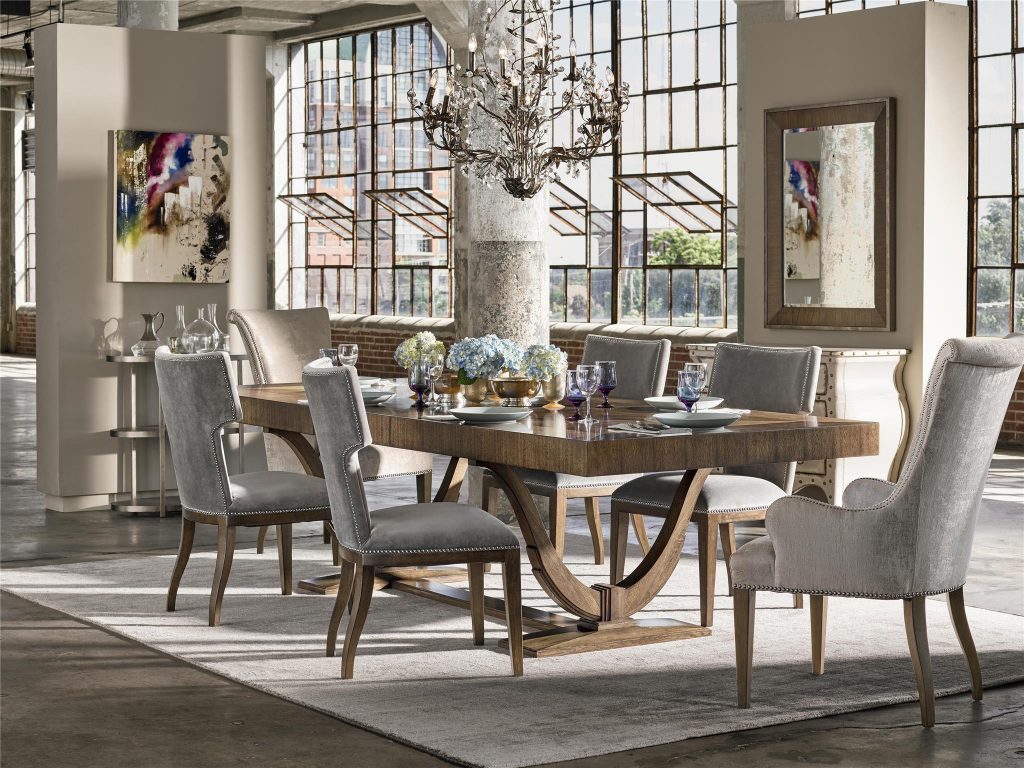
The Fine Furniture Design Portfolio Collection shows how beautiful monochrome could get.
It can get intimidating to think that you need to complete a design project using only a single color. Only the bold and the confident can get away with this. But here’s the great news – a monochromatic color scheme is actually hot right now. So how can you use it in your home?
Stylizing with monochromatic color is a lot more than picking a single color and flooding your interior with it. You would want to consider a lot of things such as what moods are associated with what colors. You will also need to explore your preferred hues and which ones are actually usable.
So What Is Monochrome?
The simplest definition of monochrome is that it is a single color that’s used as a base for all the tints, shades, and tones. There are some purists who argue that the first hue must come from the primary, secondary or tertiary hues on the color wheel. But it’s as simple as beginning with one color and moving on from there.
This only means that you can use any color from beige to purple and even jet black.
Go Classic
If you’re just starting and you do not have a style guide or even a preference yet, then you could be inspired by the classic color theory. Don’t make the mistake of thinking that the Color Theory is only for the artistically inclined. This has helped many interior designers for years and it’s about time to use it to visually engage your beholders, too.
The monochromatic approach to design is to pick that base color from the color wheel and then to add variants of that same hue.
Creating the Single Hue Palette
Your top consideration in creating the monochromatic scheme is contrast. How will you be able to create contrast with just a single color? Your biggest problem is to add depth and making the room stand out despite using just one color.
Be more confident in monotony by adding a sharp contrast.
You can do this by adding dark or lighter variants of the same color. Create a palette with just your artistic sense or you can use Adobe Color CC and other such tools.
Begin with that base color and then have a minimum of two other choices which are the lighter and darker versions of the same color. And just like any other color palette, you will need to establish where to use each color variation. Decide how each is going to appear in your design.
Understand Tints, Tones, and Shades
These are no less than your biggest tools when it comes to setting up a monochromatic home. Familiarize yourself with each so that you’ll know how to use them to your advantage. A hue is one of the 12 colors – the purest ones – on the color wheel. These are the colors that are either primary, secondary or tertiary colors.
The base color is the dominant or most prevalent color on your color scheme. This is where your design would all begin.
Tints are any color with added white so that it becomes lighter. When you do the opposite and add black, then what you get is the shade. Tone, on the other hand, is the addition of gray to intensify the color.
Why Monochrome?
So why should you go for a monochromatic color palette? It could get monotonous when not done correctly but it can also look amazing when artistically executed.
If you are a lover of simple and harmonious things, then this is the color scheme for you. It is also quite easy to design when you only have to worry about a base color and its tint and shade.
Minimalists will surely embrace this color palette for obvious reasons.
Follow us on our social media


© McCreery's Home Furnishings | All Rights Reserved | Privacy Policy
