- Follow us:


Monday, February 6th, 2017
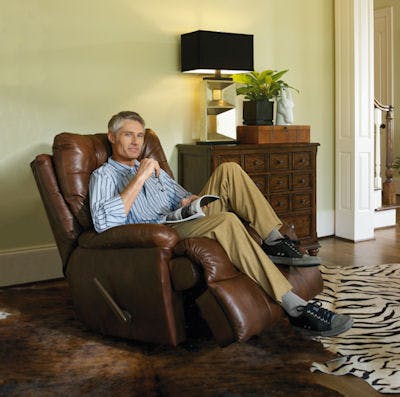
The Flexsteel Living Room Leather Or Fabric Rocking Recliner 1218-510 is perfect for the elderly and their seating needs.
According to The State of Aging and Health in America, it is expected that the population of people older than 65 years is expected to double in the next 25 years. This is roughly 20% of the American population and it comes with certain consequences.
There are, of course, many outcomes to an increase in the population of the elderly. First, there’s going to be an adjustment in the cost of health care. Also, the senior people’s mobility should also be taken care of. And the most important aspect of all – safety – must be given priority.
Architect’s Roles
The architects come with crucial roles when it comes to designing for this specific demographics. Seniors come with unique needs and living standards so the architects are faced with design challenges. They have to be more innovative in creating fresh blueprints that are ingenious and, at the same time, modern.
Mobility Aids
The elderly encounter living struggles each day. One of these struggles is mobility, thus, the home design has to be more accessible. Architects need to create designs that don’t have stairs, with bigger hallways, and more spacious floor plans.
The doorways also have to be considered. These have to be wider than usual. Also, the sinks have to be lower and the safety showers and bathtubs are supposed to be carefully set up. Relatives must also be able to view their elderly relatives with the use of wireless video monitors.
These all mean that architects must practice ingenuity. Those who embrace new ideas and designs are the ones who will surely succeed in upping their home design niche.
Remodeling for the Elderly
Getting older doesn’t always equate to having limited independence. The aging population must not give up in living a normal life. For this to happen, it would mean architects and designers working within the current design yet thinking of ways to make the place more accessible to the elderly. They must be able to devise ways to create a more functional and safe place.
Remodeling could require tearing down walls just to set up the new open space layout. There must be as little obstruction as possible. The home would also require improved lighting systems and bigger windows.
Lighting for the Elderly
Poor lighting equals accidents. Aging means having vision problems due to macular degeneration and reduced retina functions.
It may also require new lighting systems and new, larger windows in order to optimize the homes lighting.
There are functional and attractive lighting systems for the elderly. These must have protection from glaring. Quality lighting means LED lighting in most aspects or fluorescent lamps at the very least.
Color for Seniors
Colors could actually help improve the elderly’s visibility. For instance, dark colors on your bathroom walls could easily indicate the location of the toilet seat as well as the light-colored porcelain sink.
Colors are also known to affect mood and seniors have a tendency to be depressed so the right hues could actually keep them from being shut-off from the world. Greens and pinks could make anyone feel more at peace while orange and shades of red could up people’s energy levels.
Changing the colors in seniors’ homes could have a profound effect on their overall wellbeing. This single step could increase the joy that older people feel within their homes.
Modified designs for homes could improve people’s quality of life on so many ways. Architects have to design for the aging population and must come with inventive ways to make life easier for them.
Only through proper lighting, correct color choice and the right layout can the seniors live a safer and more blissful lives.
Tags: home for seniors, home for the elderly, McCreerys, McCreerys Home Furnishings
Posted in Architectural Elements, Interior Design 101, Interior Design Elements | Comments Off on Designing the Elderly-friendly Home: Importance of Design, Mobility Structures, Lighting and Color
Friday, February 3rd, 2017
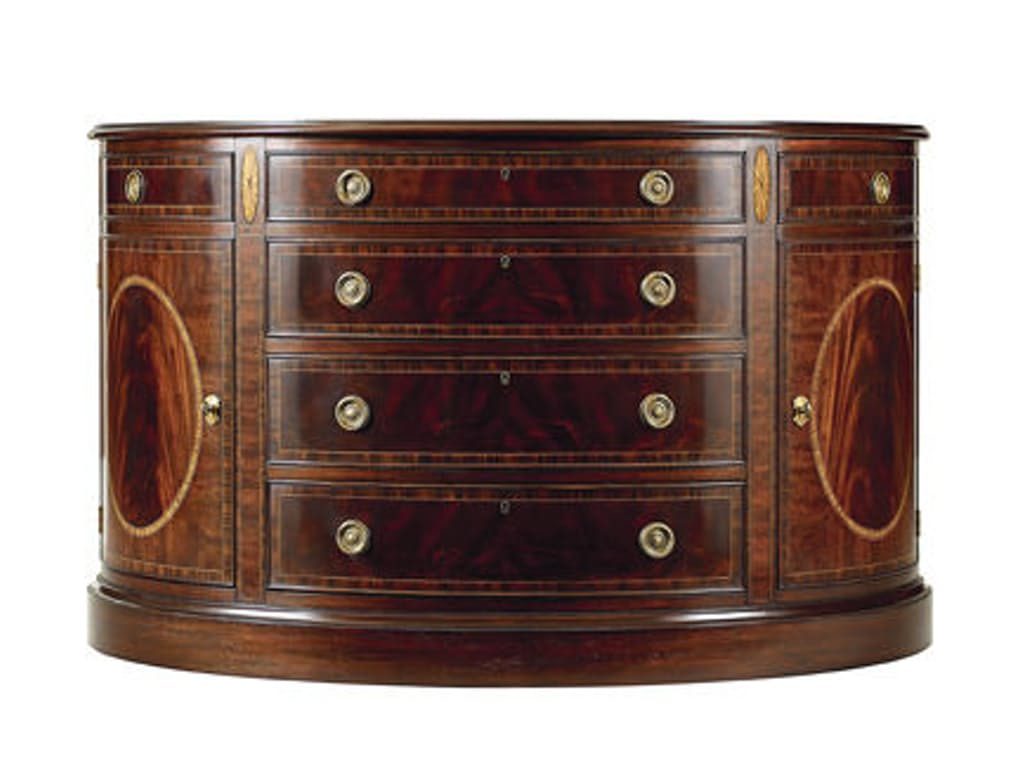
Henredon Living Room Buffet 9401-21
Classicism is a kind of design that’s evident in European art during the 17th to the 18th centuries. This is reflected in architecture, art, literature and music. Also simply called as the classic style, it has been utilized as a style for nobles’ homes.
Classic homes are attractive because of their tranquil colors. They also evoke a high sense of dignity. These days, classic homes are being picked by the well-to-do. They are the ones who have a settled preference as well as an appreciation for longstanding cultural values. They are the ones who know what’s enduring and why it will always win against fleeting fashion.
Classicism and Its History
Classicism began in France during the 17th century. This soon spread to the rest of Europe and became a leading style for two centuries. The artists of those centuries were largely inspired by the arts of Rome and Greece. These evoked rigor, simplicity and clarity.
Despite having strict rules, classic style was embraced by many other nations. It was France, though, that showed the full luster and splendor of this design. When compared to English classicism which is more rigorous and rational, the French version was more straightforward.
It was during the reign of Catherine the Great that a reasonable restraint was placed on Classicism. This was shown when classic style invaded Russia. Petersburg and other such buildings are the living proofs of this enduring design. Other noble estates throughout the Russian Empire also reflected this design.
Russian classicism brought about a brand new trend during the 18th to the 19th centuries. This design now allowed the fusion of classics with other designs.
Mimicking Classicism
So now you’ve realized the beauty of classicism. It is not too difficult to set up in your home. You just need to recognize the features that will make your interiors more classic.
First, be wary of your home’s architecture. Your place must have discreet columns, cornices, windows and doors. These must also have clear outlines. Marble fireplaces are welcome. Creating a rectangular form for these elements will surely pay off.
Next, don’t go gaga over your color palette. Use light pastels for your color scheme.
Classical ornaments include laurel or oak leaves and Greek meander. These must be arranged at a certain order as well as symmetry. Make sure that the stuccos, arches, columns and half-columns are emphasized.
One good interior design practice is to be orderly in all things. The design elements must also be respectable and predictable. They must show a level of solidarity that’s difficult to match.
This may not be your cheapest choice when it comes to interior design but you and your family will surely love the outcome. Know that your home will be forever independent from the trends that most homes default to.
Nothing’s Cheap
Classicism will never embrace cheap finish. Every material used must be unique or at least natural, therefore, its price tag is steep. Plasters and columns are often made of marble while stuccos are handmade.
Walls are covered with panels of natural wood or cloth. Used parquet is a common flooring material though kitchens, bathrooms and living room could have stone or marble tiles.
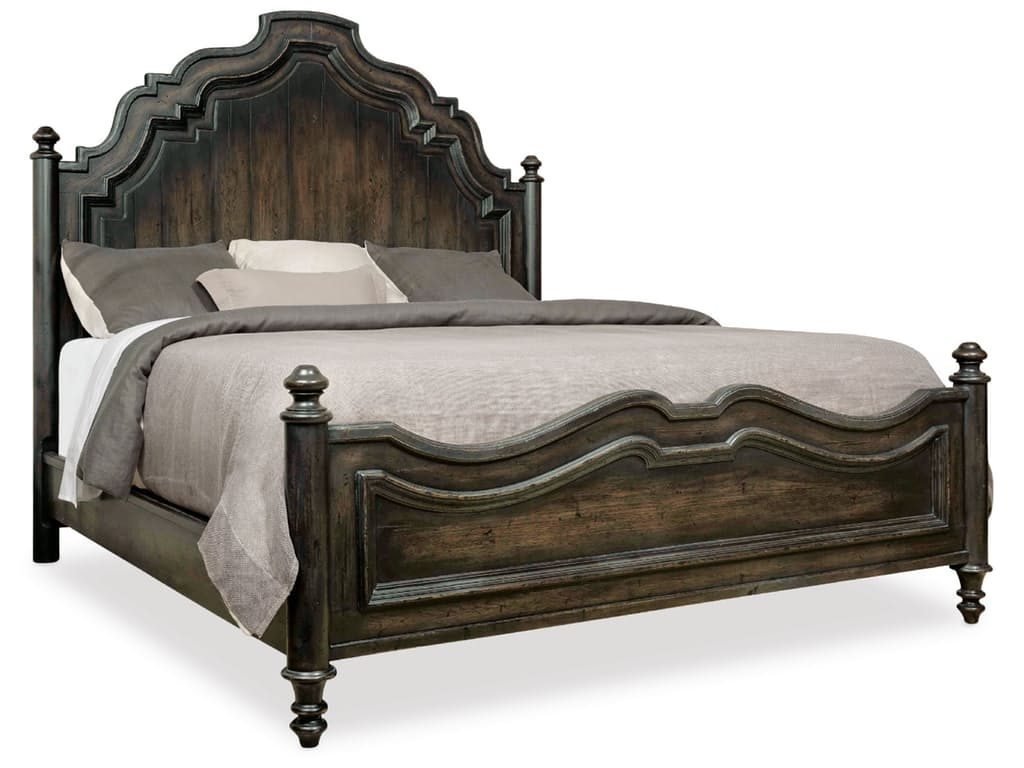
Hooker Furniture Bedroom Auberose King Panel Bed
Classic Colors
Colors and contrasts in classicism do not show bright hues. The shades are neutral and calm. Often used are beige, olive green, cream, gold and light green. These are reflected on furnishings and textiles. It is also okay to use different shades of brown (which is why wood is a welcome element).
Don’t forget, though, that the room must not look dark or gloomy. Textiles and upholstery must use blue green, blue or sandy colors.
Tags: classic home, classic interior design, classic interiors, classicism, McCreerys, McCreerys Home Furnishings
Posted in Interior Design 101, Interior Design Themes | Comments Off on Classicism: Why Old Is Still In
Friday, February 3rd, 2017
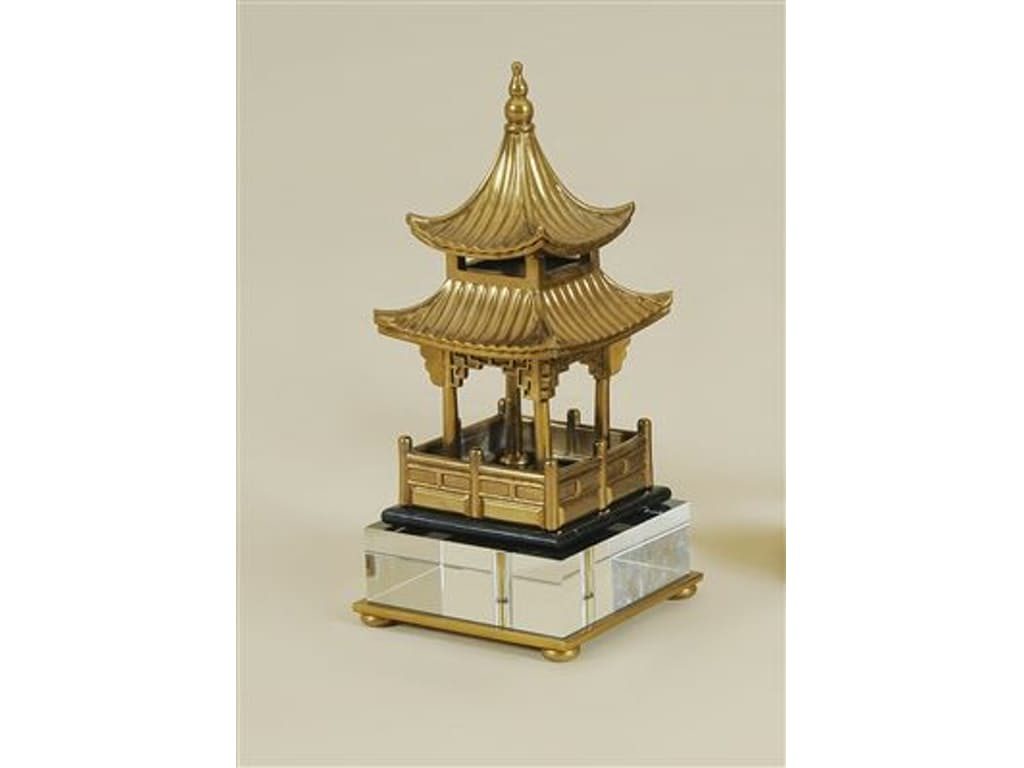
Let the chi flow with these Maitland-Smith Accessories Cast Brass Chinese Temples 1043-141.
The 21st century globalization has brought about many unique and fresh concepts with regard to design and décor in homes. One such theme that’s new to the Western world (though not too new to the Oriental world) is the Chinese interior design.
If you take the time to look at Oriental homes, you will surely admire their opulence a well as their unique beauty. At first, the features seem to be easy to mimic though once you set foot to replicate the design, you end up being lost.
Chinese Design History
Thousands of years ago, Chinese interior design focused on the principles of nature, energy and simplicity. The surroundings served as their inspiration as they strive to have an ambience that’s tranquil.
Chinese culture is also centered on tradition, hence, the elements also reflect the overall values of the people who live in such homes.
Chinese Design Fundamentals
A basic principle that’s widely observed in Chinese interior design is minimalism. This could be a room that’s filled with different sorts of decorative elements though it still appears basic. What’s crucial is the placement of the valuable objects so that they achieve the optimal effect.
Chinese interior design is also about the use of just a few focal points. The rooms in such a home must remain simple, light and airy though it still reflects the owner’s taste.
Another design element in Chinese style is the use of screens. You may picture this in many Japanese homes but Chinese interior design also employs this decorative and functional piece.
Screens liven up any room while keeping the privacy, too. Years ago, such frames were made using light materials. Latticework serves as the grid for paper or sheer fabrics. These days, screens are already made using different materials like bamboo.
A common screen that’s seen in many Chinese interiors is the dressing screen. It is foldable and it can easily fit into a nook. This is an affordable way of adding an Asian touch to your interiors. What’s great with screens is that they can be used in any kind of theme.
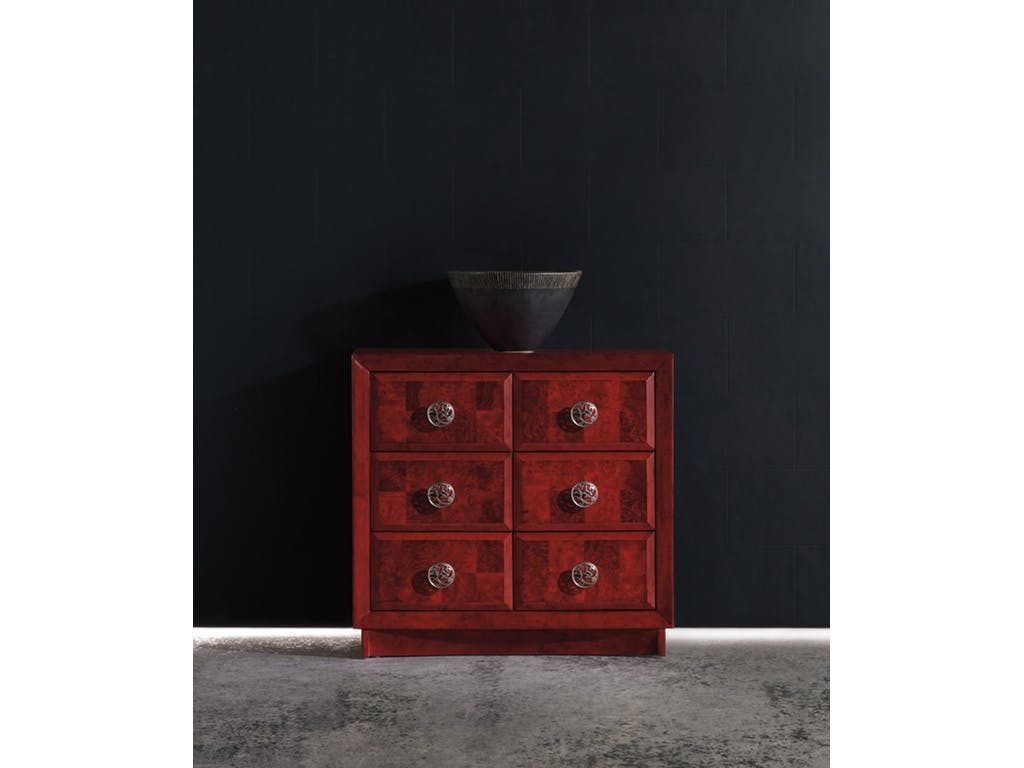
Hooker Furniture Living Room Melange Poppy Chest
Chinese Feng Shui
Majority of Chinese interior design principles work around the concepts of Feng Shui. This is an ancient tradition that arranges space according to environmental harmony. This is also seen as a form of spiritual discipline that is based on certain guidelines.
There are Feng Shui experts who now focus on interior design. They believe that the residents can benefit from the principles of Feng Shui when strictly followed. They believe that happiness, prosperity and success can also depend on the arrangement of the design elements.
Basic Feng Shui that you need to know include –
Emphasize Chinese Details
You could also opt for Chinese influences such as ornate pieces especially with your furniture. Have movable screens situated right where they can be mobile. Have conversation pieces such as golden horses or dragons displayed prominently.
Gold and red are big colors in Chinese interior design. See how much of these colors you can utilize to set up your Chinese-inspired theme.
Tags: Chinese design, Chinese interior design, Chinese style, McCreerys, McCreerys Home Furnishings
Posted in Interior Design 101, Interior Design Themes | Comments Off on Elemental Chinese Interior Design
Thursday, February 2nd, 2017
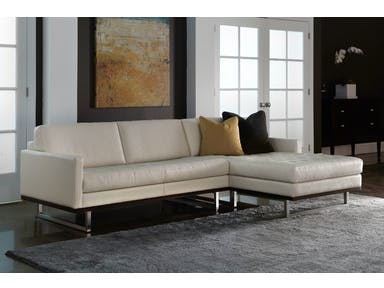
The clean lines of this American Leather Living Room Tristan-Sectional are the reasons why it fits perfectly in a Mid-century setting.
Baby boomers who were born in the late ‘50s are naturally drawn to the interior design of that time. But if you’re drawn towards cool, sleek, sophisticated, clean, colorful, curvy, functional and mod features, then you are similar to these people’s design preference. This style is known as the Mid-century design.
The term Mid-century design is a term that embraces the trends which influenced interior design and architecture in post-war America.
Modernism was a global movement that spanned five decades beginning in the ‘30s till the ‘70s. Mid-century modern, therefore, is linked to the period covering the ‘50s till the early ‘60s.
Mid-century Architecture
Experts agree that Frank Floyd Wright popularized this movement with regard to American architecture. Though this is the case, you shouldn’t discredit the contributions of artists such as LeCorbusier and Ludwig Mies van de Rohe.
Residential architecture in this style was famous among the suburbs during the ‘50s. It remained famous for the next decades, even up to today. Thanks to developers and architects who provided amazing examples of Mid-century modern homes across a lot of cities. These days, modern architecture is avant-garde with sustainable materials and finishes. The overall designs, though, are still hinged to their origins.
Mid-century modern architecture offers angular details, flat roofs as well as asymmetrical features. They also come with clean lines, expansive glass walls, and open floor layouts. Bi-level structures are also common with this design.
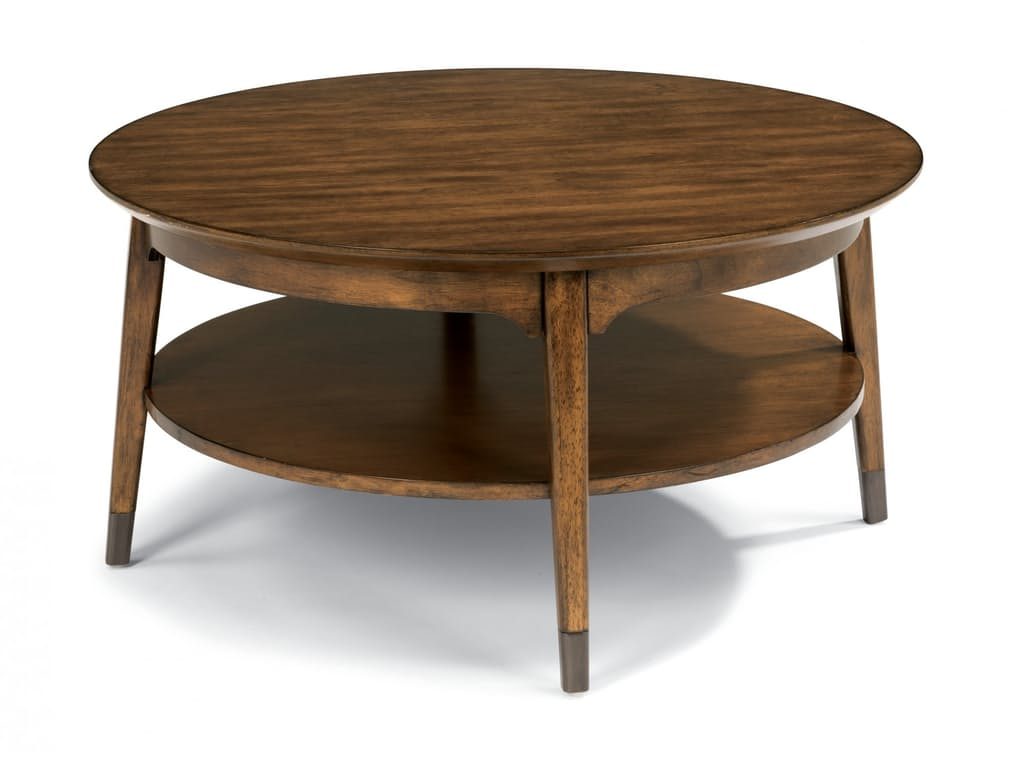
Flexsteel Living Room Round Coffee Table W1400-034
The Mid-century Appeal
The movement also approached the marriage of outside spaces to the indoors. This became extremely accepted on the West Coast. The best architects of our time built impressive, custom homes while also developing modern style houses for the masses.
California became the Mecca for Mid-century modern style. Renowned developer and builder, Joseph Eichler, and architect Richard Neutra immigrated to the U.S. and started building the geometric residences in Southern California. To this day, the design is quite popular in Palm Springs, San Diego, Beverly Hills and nearby areas.
A lot of homeowners are still looking for Mid-century modern units for a lot of good reasons. The reason for most is simple – a lot of homes are now mass-produced so they have a generic look and feel. Without a doubt, custom-made designs are being craved by many.
A lot of the real gems have already been bought, though. If you want to build from the ground up and bring back the look of Mid-century modern as if from a time capsule, then here are elements that you need to consider –
Use Wood. A lot of furniture these days is made of engineered, pressed wood. Instead of this option, use high quality furnishings with a Mid-century modern appeal. Masterpieces during that time come with clean lines and were made with walnut, teak, oak or rosewood.
Remodeling elements. If you want to bring back the marvels of Mid-century modern, then eliminate the walls. Embrace an open space concept with an airier setup. You can also hire someone to update the look of your fireplace. Have it turned to a floor-to-ceiling focal point.
Mirrors galore. You could also consider simpler accents such as a kitchen backsplash or a mirror. Fill your head with nostalgic ideas or you can get ideas here.
Redesign the Lights. Search for mid-century modern homes and see how dazzling lights make the difference. Pendant lighting is common just as they are functional and decorative. There are also artists who make their designs around architectural features of the home. Look for a piece that speaks to you and shows to the world who you really are. Remember, though, that you are setting up a mid-century modern home and not a contemporary one.
Tags: McCreerys, McCreerys Home Furnishings, mid-century interior design, mid-century interiors, mid-century style
Posted in Interior Design 101, Interior Design Themes | Comments Off on Mid-Century Design Made Easy
Thursday, February 2nd, 2017
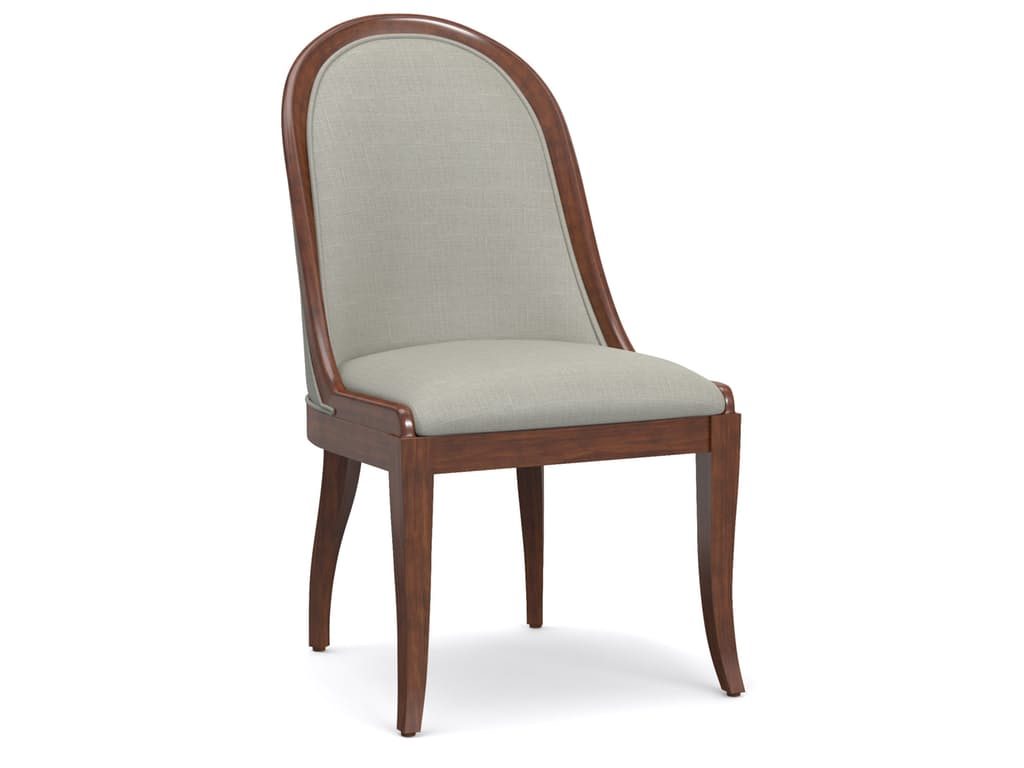
This Cynthia Rowley for Hooker Furniture Dining Room Front Row Upholstered Sling Back Chair is also perfect in a contemporary home office setting.
Small businesses often have multiple uses for a conference room. It can be set up as a formal room for presentations, board and client meetings. For some, this is the room where brainstorming sessions are going to be held. There are simply some activities that are difficult to do in a normal office setting. Imagine team members getting together for their annual strategic planning. This calls for a more official setting.
Design Basics
You have to first determine the maximum capacity of the room. If you’re aiming to accommodate around 32 people, you will need a room that’s no less than 32 feet by 14 feet.
Have you ever attended a meeting room that’s cramped? Didn’t you feel claustrophobic which made it difficult to concentrate on what’s being discussed? You wouldn’t want that in your own conference room so make sure that you have ample room to accommodate everyone.
This room or space must not be just for seating but also for the attendees to be able to move around. There are times when it is more beneficial to break up the space for smaller groups.
Comfort should be another aspect that you will focus on. This is a crucial design element. The chairs must be cushioned so that attendees will still feel comfortable even during long meetings. Always think about back support and upholstery when choosing office chairs.
Business Image
You could have moments when you will welcome people outside of your business. If not, you could also hold videoconferences which will still show the general design of the conference room so be wary of your company image.
What image would you want to convey? If what you have is a small yet trendy company, then you could have a more modernistic approach complete with bold colors and unique pieces.
Use the more traditional and tasteful pieces if you want to play safe with your conference room design.
Conference Room Efficiency
Design your conference room so that the attendees don’t have to leave when they need to take care of other tasks that are connected to the meeting. Have data and telephone ports installed into that room. Make sure to have your design based on the number of printers, laptops and fax machine, too.
Have an audio/visual screen installed or you can opt for the portable type. Have erasable markers and whiteboards made available as well as other office equipment.
Conference Table Configuration
Your primary choice should be the standard boardroom type – this is the oval or rectangular table with chairs placed roundabout it. Variations include the V and U shapes. Other options include the classroom style and smaller rectangular types.
Amenities
Buffet tables can also be used as a surface for snack service. This piece of furniture will also be able to keep glassware and serving dishes which you can put away once they are no longer in use.
You can also place a small fridge in the room so there won’t be any need for someone to leave the room just to bring in the refreshments.
Videoconferencing Setup
It is also crucial to consider the lighting design for your conference room. This is especially true when you will use the room frequently for videoconferencing.
Have the room evenly lit in order to keep the shadows at a bare minimum. Avoid glare from the sunlight by having blinds installed. Check also that the area where the camera view will be set isn’t cluttered with potted plants, artwork or wall treatments.
It is also advisable that you place sound-bouncing surfaces that will not interfere with the quality of the videoconference.
Tags: conference room design, conference room furniture, conference room setup, McCreerys, McCreerys Home Furnishings
Posted in Furniture, Home Office Design, Interior Design 101, Interior Design Elements | Comments Off on Conference Room Design for Small Businesses
Wednesday, February 1st, 2017
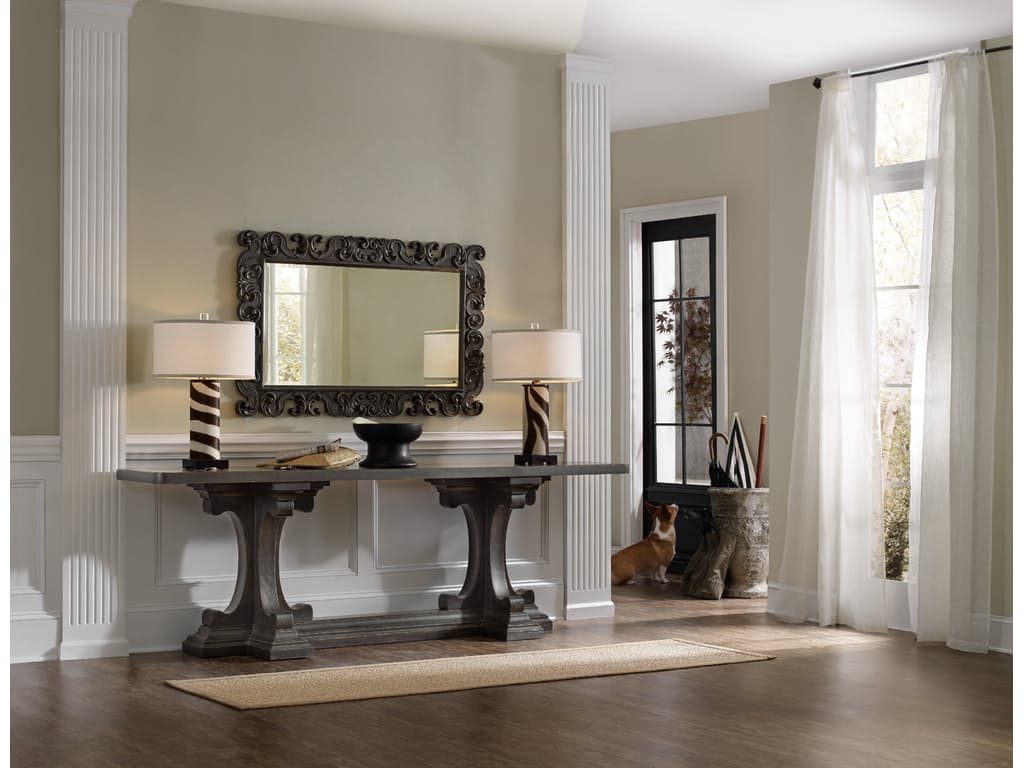
The Hooker Furniture Bedroom Auberose Landscape Mirror completes this open space layout.
The mirror is an affordable accessory that one can buy for a home, office or any commercial shop. Interior decorators even claim that mirrors can complete the look of any room. These can come in standard sizes from any home décor store. There are ordinary mirrors, oversized ones, decorative and frame-less ones.
If you’re asking yourself if a mirror is important in a room, then the answer is a resounding yes. It also creates an illusion of space as well as increases the lighting inside any living space.
Streaky mirror – no matter how pretty its designs – remains an unclean mirror. Despite the number of times you spend cleaning it, streaks are unsightly, even frustrating. You might think that you already know how to clean a mirror or glass panes but as soon as you learn the secret techniques, you will realize how dirty your mirror has been.
Newspaper and Other Myths
For starters, newspapers don’t work. The inks that are being used nowadays leave unsightly residues. These generally make mirrors streaky. If you’ve been using newspaper and you still see unsatisfactory results, then now you know why.
It’s time to say goodbye to newspapers. Now, you might consider paper towels as alternatives – don’t. These leave flecks of lint that also don’t look great on your mirror. You will just end up wasting a good roll of paper towels.
What you need is a lint-free and non-streaking cloth that will help you clean mirrors and glasses in your home. You should also look for a designated glass cleaner. These are the ones that were made to be non-sudsing which means they won’t leave residues behind.
Further, what if there’s gunk on the mirrors? This will require prepping prior to the actual mirror cleaning.
Let’s Clean
So, if you want to clean your mirror like a pro, here are the things that you will need –
Microfiber cloth. This shouldn’t just be made with microfiber. Make sure that it comes with flat weave so that there won’t be any debris left. This kind of cloth also promotes faster drying and a lint-free finish.
Rubbing alcohol. Now this is the secret.
Cotton pads. These will be used with the rubbing alcohol.
Glass cleaner. Choose any brand that is manufactured especially for mirrors. You can also use vinegar and water though you can also search for recipes on the Internet.
Procedure
First, put some rubbing alcohol onto a cotton pad. Look for the goopy or glob buildups on mirrors. Think of toothpaste splatters and hairspray residues. Scan from top to bottom then rub them off.
Work quickly as rubbing alcohol tends to evaporate fast. This is pretty much like spot treating prior to doing the laundry.
Next, spray the mirror using the glass cleaner. Don’t soak it, though, just have it misted. You can then fold the microfiber cloth and begin working through the surface.
Begin at the top left corner then drag the microfiber cloth across the top then slowly swoop down then head back to the sides of the mirror. Think of zigzag motions till you get to the bottom of the mirror. Make sure that you do not miss an inch of the surface.
Just to make sure, check for scuff marks. Look at a 45-degree angle as this will shed some light on the mirror surface. This will illuminate the streaks which you won’t be able to see when you’re looking directly at the mirror.
Spot clean any stain that’s been left behind by the cloth. Quickly wipe away the streaks then be sure to buff dry using the dry side of the microfiber cloth.
That’s it, you’re done.
This entire process shouldn’t take more than 90 seconds for every mirror. This is an efficient way to clean mirrors in your home even after they have been subjected to the toughest dirt and stains.
Tags: how to clean mirror, McCreerys, McCreerys Home Furnishings, mirror, mirror cleaning, mirror cleanup, mirror maintenance, mirrors
Posted in Accents, Accessories, Interior Design 101, Interior Design Elements | Comments Off on How to Have Scum-Free Mirror
Wednesday, February 1st, 2017
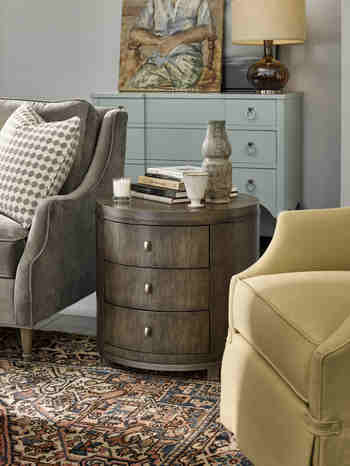
The toss pillow is a wonderful accent to this neutral ensemble from FFDM Brentwood Collection.
Toss pillows, more commonly known as throw pillows, are small, decorative pillows that are often placed on armchairs, sofas, even on beds. There are also homeowners who place toss pillows on the floor. Outside of the U.S., these are referred to as mere cushions.
A toss pillow serves both functional and aesthetic purposes. They are usually accents that are used to emphasize the decorative elements and the overall theme of a room. Its function is to provide support for the neck and back.
A toss pillow can offer an instant update of the ambience or the style of a room. The great news is that you don’t even need to spend a lot just to update the look of your home. This is an effective and inexpensive way of accessorizing any living space.
Toss pillows offer primary characteristics such as their shape and fabric type. There is an endless array of toss pillow choices so you have to know what you really need.
Throw Pillow Shape and Size
Toss pillow size includes 16 to 18-inch squares. There are round and rectangular toss pillows as well as cylindrical ones that are referred to as bolsters.
A thing that you would consider as you decide the pillow type that’s right for the couch is the body size of the users. Will the pieces be used in a lounging area? The pillows must be able to provide back and neck support.
Will there be a lot of foot traffic there? With this, you should consider the couch scale. Bigger toss pillows look good on larger furniture that offers enough seating space. If the couch is more delicate, though, you need smaller toss pillows to dress it up. In the same manner, a small toss pillow will look out of place when placed on a roomy sofa.
The aesthetics of the room must also be considered when picking the toss pillow shape. Round pillows will surely soften the look of an eccentric couch. Square ones are best on cozy and puffy couches. Mix bolsters, round and square toss pillows if you really cannot decide which shape you would use.
Toss Pillow Materials
Toss pillows and other decorative cushions are sometimes made with just a single material. Other times, they come with a removable cover complete with foam inside. The foam could be filled with natural materials such as down and other feathers or with synthetics such as polyester.
Down and feathers are the softest materials that are used to make a toss pillow lush. They are also pricier compared to the synthetic types. The natural type is a great choice for people with allergies.
Synthetic fillers are a lot stiffer but they tend to hold their shape better. Synthetics also look less luxurious.
Removable covers offer a lot of advantages such as ease of cleaning and the capacity to change the look of the couch by simply replace the covers of the entire set of toss pillows.
Toss pillows and covers are also found in a wide array of textiles from basic materials such as polyester, cotton and cotton blends to more elegant fabrics like linen, velvet and silk. These have been seen as a popular medium for fashion designers and fabric artists.
Among the materials, cotton is a common choice. It is breathable, comfortable and can be easily machine washed. It can shrink, though, especially when it’s dried too much.
Linen is crisp, cool and fresh. It is expensive but it is easily washable and it becomes softer with frequent washing.
Satin, on the other hand, has high luster and has a luxurious feel. They tend to be slippery so don’t expect them to stay on the couch. Silk is also smooth and has a soft texture. This is a strong fabric though it is vulnerable to static cling.
Tags: McCreerys, McCreerys Home Furnishings, throw pillow, throw pillows, toss pillow, toss pillows
Posted in Accents, Accessories, Interior Design 101, Interior Design Elements | Comments Off on What Are Toss Pillows?
Tuesday, January 31st, 2017
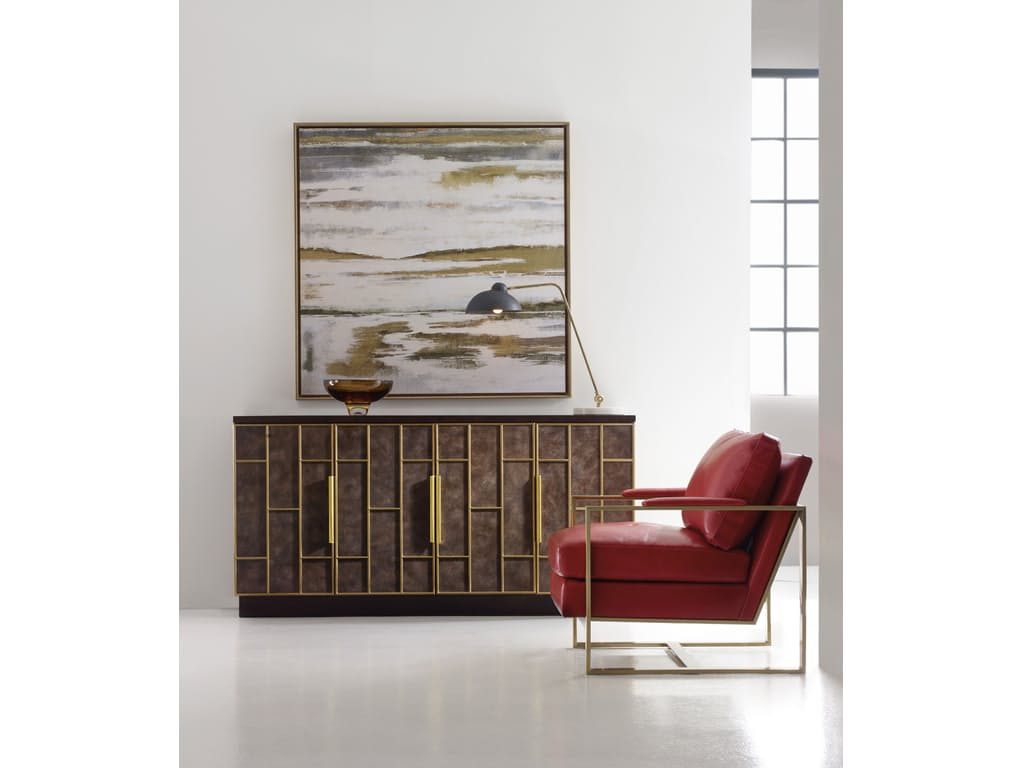
Hooker Furniture Living Room Melange Neils Four-Door Credenza
One piece of furniture that’s distinguishable by its long, flat top and storage space is the credenza. This lovely piece is a popular choice among homeowners, designers and decorators. Actually, the modern definition of the term credenza can even extend to sideboards which make credenza purchase a tad more difficult.
This buying guide should help you learn about credenza in general and its rich history. It also lists the types of credenzas and the materials that are often used in making them. As you finish reading this guide, you should be able to confidently shop for a new piece for your home.
What’s a Credenza?
This word came from the Italian word which means belief. This became popular in the 16th century which referred to the act of servants that tasted food and drinks for their masters. This is so they could check for poison prior to serving the food and beverage to their employers or Cardinals (and other men of church).
This act often transpired in the dining room atop a table that’s used to serve as well as store the food, hence, the name stuck. This piece of furniture is a piece of furniture where you can both store and serve food nowadays.
Buyers who are shopping for a credenza often use this as a dining room piece. Savvy decorators, on the other hand, have extended its use to the living room and other parts of the house. Even home offices and patios have had a good use of credenzas.
Credenza Types
Buffet or Sideboard. This is the traditional credenza type. Majority of antique credenzas were used as a sideboard or a buffet side table. These were also referred to as serving credenzas and were used to serve platters and dishes.
Office Credenza. This is often referred to as the desk credenza or the knee space credenza. Unlike the types used in the dining room, this credenza comes with space in the middle right where the user could sit comfortably (thus the term knee space).
There are also credenza forms that can be used together with desks. Once added to a regular desk, the office credenza can be used to create an L or U shape. This can then offer more work and storage space.
Bookcase or Entertainment unit. This is not a very popular style for a credenza though it’s a useful one. These can also be converted into sideboards, as dedicated units or hutch additions.
This kind of credenza is often found inside the library, living room or the home office.
Display case. This is an offshoot of the credenza desk and an entertainment unit. This can be added to a desk or as a traditional unit with glass doors. Display case credenzas can be used to store figurines, books and other collectibles.
Credenza Materials
The most common kind of materials used in manufacturing credenzas these days includes wood, metal and glass.
Credenza Shopping
Once you’re ready to buy a credenza, you must evaluate the units that you have considered online. For the finest credenza selection, read this.
The credenza’s length must be roughly proportional to the room’s size. A big room requires a bigger and longer credenza. A smaller room would require a smaller piece.
If the other pieces of living room furniture are all low-slung, then be sure to shop for a credenza that follows suit. If you’re thinking of putting the credenza in the dining room, then a taller model is often best.
Don’t forget about the overall appearance, though. Check also the configuration of the drawers and doors.
This piece of furniture has a rich history that dates all the way back to the 16th century in Italy and Turkey. This is a great piece for the home office, living room and the dining room so choose it correctly.
Tags: credenza, credenza buying, credenza shopping, McCreerys, McCreerys Home Furnishings, shopping for credenza
Posted in Furniture, Interior Design 101 | Comments Off on Credenza Shopping 101
Tuesday, January 31st, 2017
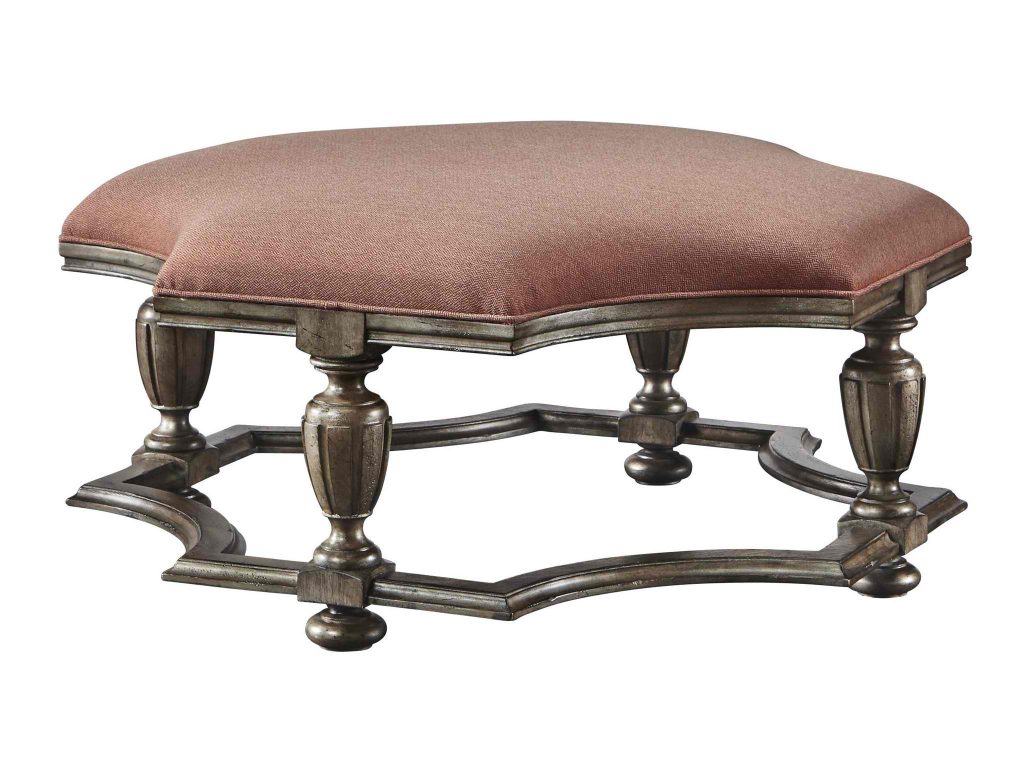
NORTHAM COCKTAIL OTTOMAN 1573-920
The ottoman got its name from its unique European origins. The hassocks and low seat were initially imported from Turkey in the 1700s, a time when the area was very much a part of the Ottoman Empire. Pretty soon, European salons caught on and employed the use of these wonderful seats.
The term ottoman covers a wide array of styles; the most common being a padded bench or a footstool. This can used either as a chair or a makeshift coffee table. Nowadays, you can choose from a variety of ottoman shapes, styles and sizes.
More Hassock History
To truly appreciate ottomans, you have to understand about its functions and its beginnings. During the 18th century in Turkey, an ottoman was just a low platform that was covered with cushion. It was a common residential seat.
Larger ottomans were built the way that sectionals are built nowadays. They were used to wrap around the bare walls. Eventually, the style was adapted to a round, padded seat that surrounded poles or columns in public rooms.
The European ottomans were used ot fit into the drawing rooms as well as salons. They were octagonal or circular in shape. There were even some that featured a hinged platform so that they doubled as storage units. This idea has been translated into modern use.
Footstools and ottomans became interchangeable, both being a low, upholstered stool complete with legs and set right next to a hearth. The bigger versions of upholstered and legged ottomans and the small pouf-style ottoman, those that come with built-in storage and the padded hassocks now share the same name these days.
Ottoman as an Extra Seat
The ottoman does not require a lot of space yet it can be a real lifesaver once you welcome more guests. Just imagine a scenario when even a sectional won’t be able to sit everyone then you know how functional the ottoman could get.
A gold velvet ottoman could be a lovely bench as it can also be relocated into different parts of your home. If you need it in the living room, then that’s where it should go. If you want extra seat in the bedroom, then have it transferred there. If you’re welcoming guests in the den then just pull the ottoman there and you’re good to go.
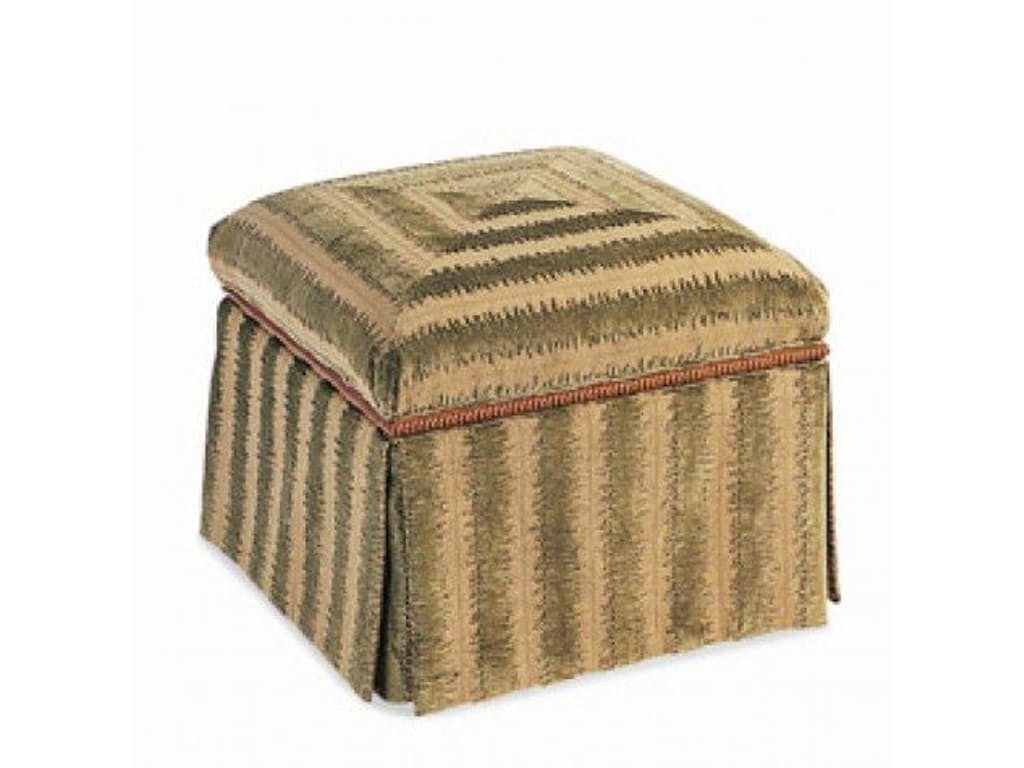
Hickory White Living Room Ottoman 153X
Ottoman as a Versatile Table
When your ottoman stops being a seat, then it can also be used as a table. This can double as a coffee table. A big, tufted ottoman can hold an enameled tray with saucers, cups, croissants, and a coffeepot to welcome guests in your patio.
A linen ottoman in gray and ebony legs could also be the sturdy counter for your platter of grapes, cheese, wineglasses and a champagne bottle. It could also be used as a station for sandwich eaters in your den.
Cylindrical or cube ottomans can be used as end tables in your living room or as nightstands in the bedroom.
Ottoman as a Storage Unit
One can never have too much storage. Go ahead and use that extra space in your ottoman. A small apartment could make good use of this piece of furniture. An upholstered ottoman could serve as sock storage inside the guest room. It could also be a bench that stores music sheets beside the piano.
Shopping for Ottoman
When choosing an ottoman, you have to know what size the room requires. Have it at least an inch lower than the regular chair or sofa. Consider also mobility especially if you would be moving it around. See also if you need it to be chunky or leggy.
Tags: McCreerys, McCreerys Home Furnishings, ottoman, ottoman buying, ottoman history
Posted in Furniture, Interior Design 101, Interior Design Elements | Comments Off on Ottoman Uses and Shopping Guide
Monday, January 30th, 2017
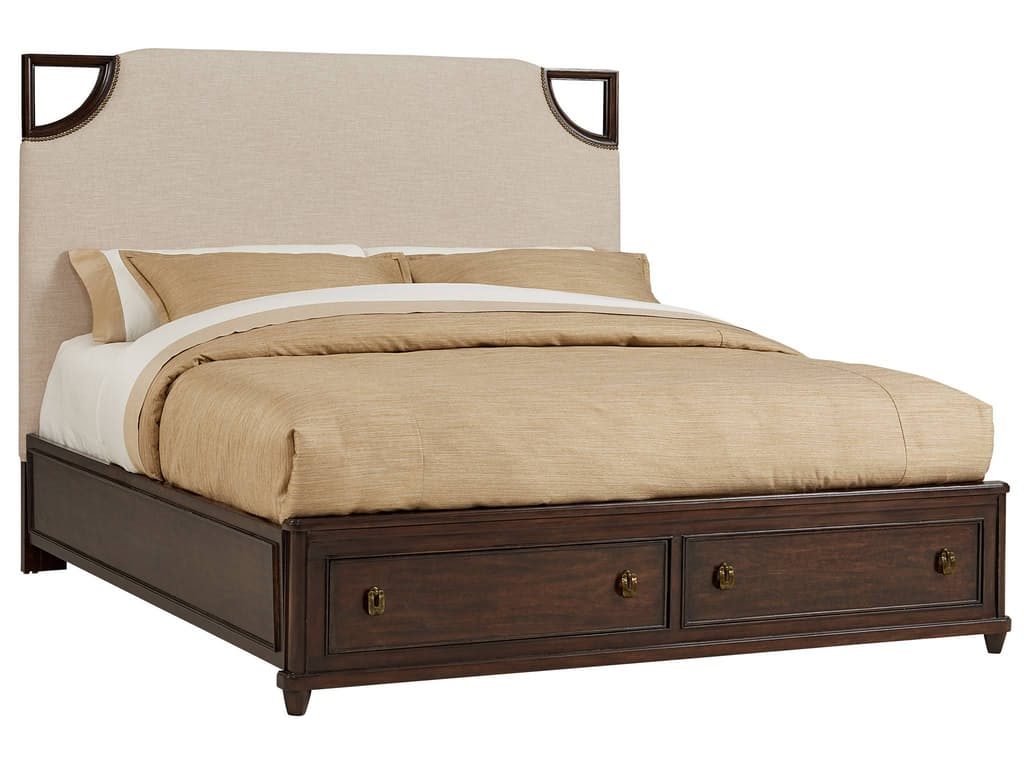
Stanley Furniture Bedroom Upholstered Storage Bed California King 696-13-50 has drawers where you could store extra clothes and accessories.
Have you ever thought of perusing your home’s interior design? Was there ever a time that you realized there are just some things that don’t fit into the area? These are the kinds of things that are often small but they still bother the beholder, thus, they’re referred to as an eyesore.
Though quite small, eyesores are the kind of problem that you tend to notice and keep noticing once you’ve already seen it. These are just the kinds of things that could keep annoying you.
In order to get rid of these design eyesores in your home, here are some functional and creative ways that you could hide such. This means you can finally say bye-bye to eyesores with style –
Think of Maximizing Space
Begin with end in mind, they say. Most of the design eyesores that you see in your home are keeping you from having a neat and maximized space. With more and more people piling up in cities, it becomes more important that you learn to maximize every available inch that your home offers.
You can always begin with clever hiding and coming up with uncommon storage solutions. You can even creatively repurpose surfaces such as having a blackboard on your refrigerator.
Other means just asks for the conversion of an unused space into something more beautiful and functional.
Space maximization should be your single motto as you go about with getting rid of interior design eyesores.
Drawers Under the Stairwell
Do you remember Harry Potter’s first room in the series? He did sleep under the stairs. That room could easily be converted into a space that’s also useful (sure, maybe not a bedroom because it’s simply too small).
How about installing drawers there? These drawers could then be used to store books, memorabilia or lots and lots of shoes. They could also be utilized as a toy storage solution.
Router in a Lovely Box
‘Ever seen those lovely boxes that they sell in department stores? It’s time to put them into good use by having the router placed into one of them. No one needs to see that ugly router lying around or hung somewhere, right? Choose the design of the box, make sure that it blends well with your chosen style.
If a box still looks bulky to you, then you can always repurpose a big, old book. Take out the frayed pages and just leave the hardcover. You can sandwich the router there and leave it lying around like a regular book.
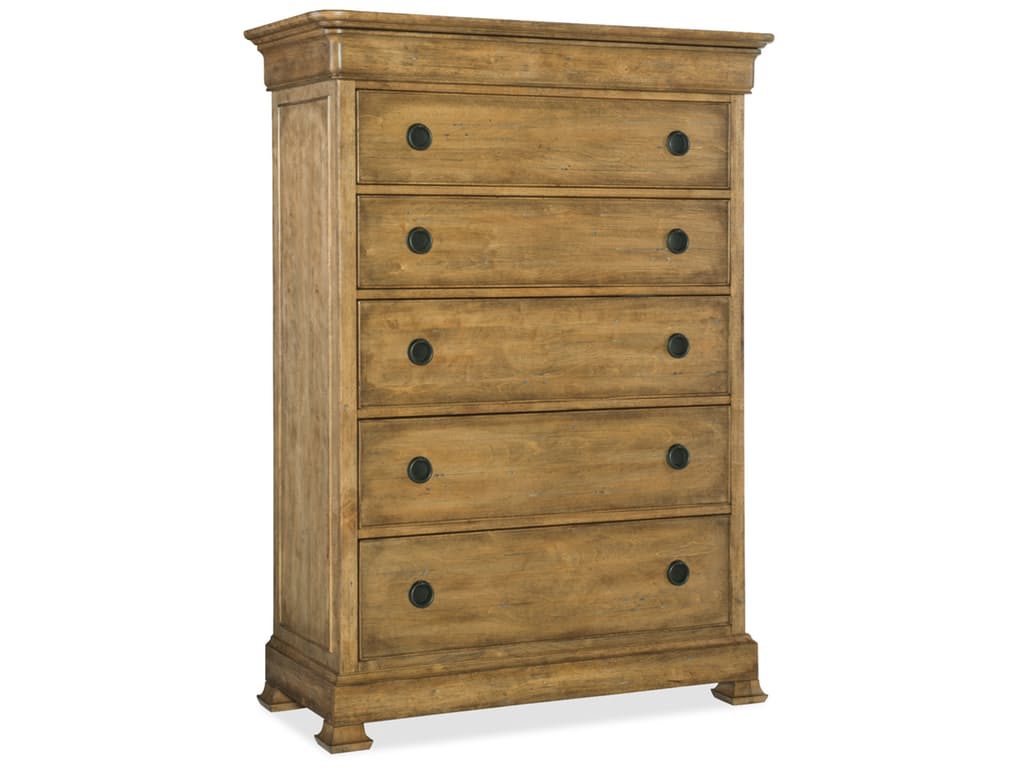
ooker Furniture Bedroom Archivist Six-Drawer Chest
Invisible Bookshelves
Books just gotta have a home. Of course, it’s always advisable to get a decent bookshelf or two. In the case when you’ve already installed two or more and you still have more books to store, then it’s time to put your bare walls to good use.
Install plank of wood using an angle bar. Drill the angle bar to the wall then place just the right amount of books on each plank – voila – what you have is an instant, floating and invisible bookshelf.
Photo Gallery on Unsightly Switch Plates
Who says you have to bear with ugly switch plates? If you see one that’s simply out of place in your home, then just hang a lovely framed photo to keep it hidden. If you’re feeling inspired, create a photo gallery.
Cable and Cord Solutions
Why default into cable hiding? The longer the cables and wires, the more that you can turn them into wall art. Create the New York City skyline using your cables.
Another solution is to take a cardboard box, cut dual canals on both sides then hide the cables in. This is a lot better than seeing them all tangled under your desk.
Be creative, unleash your artistic side.
Tags: decluttering, design eye sores, home eye sores, McCreerys, McCreerys Home Furnishings
Posted in Home Maintenance, Interior Design 101 | Comments Off on Getting Rid of Interior Design Eyesores
Follow us on our social media


© McCreery's Home Furnishings | All Rights Reserved | Privacy Policy
