- Follow us:


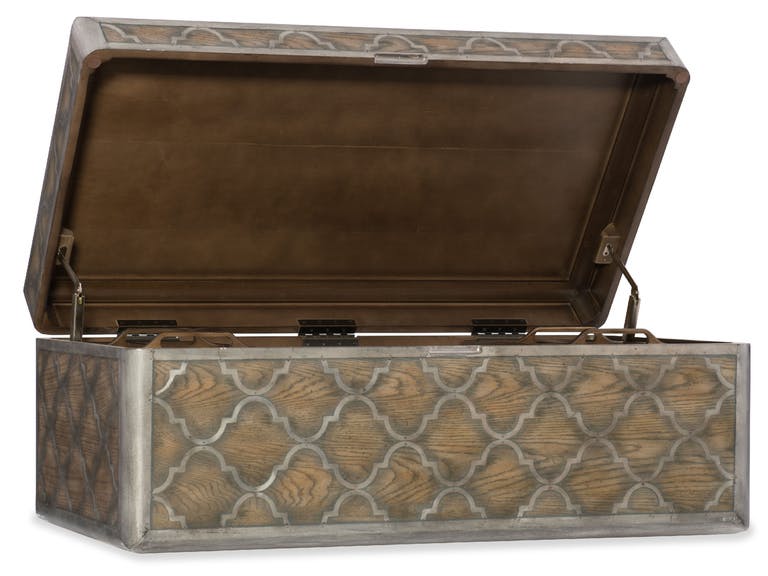
Hooker Furniture Living Room Arabella Trunk Cocktail Table
Industrial architecture is known for its safety and efficiency. Industrial style is always functional, even iconic. Industrial homes were once factories abandoned warehouses and huge open structures. Since these buildings were originally meant to house many people and huge machineries, they are tough and secure.
These industrial structures have a rich history to offer even with their distressed walls, worn flooring, and aged pipes. These may appear like scars to the eyes of their beholder but they can be highlighted to stress the industrialist appeal of the structure.
Industrial Architecture History
The primary industrial buildings were constructed in the late 1700s. These were supposed to be utilitarian and since there was no electricity then, narrow structures were built with large windows so that natural light could stream in.
Minus the common frills of homes of today, these structures were built to facilitate production. The manufacturing process was housed in a single place which led to faster processing and production streamlining.
Still in the 1700’s, safety issues began to be noticed. Mill factories were especially problematic. The fear of fire was widespread insomuch that buildings were built to reduce such dangers. It was also because of this that industrial architecture was starting to be influenced by insurance companies. Attics were discouraged and, in their place, flat roofs were made.
Flat roofs became the staple features. Along with these, plain facades, isolated stairwells, open spaces, ornamental pieces, pipes, and exposed bricks have become the iconic looks of industrial design.
In the 1900s, manufacturing became more robust because of the advent of fuel from regular coal. Mechanical power became available inside these factories, hence, there was a demand for more adaptable spaces and more modern construction.
Steel and concrete also entered the picture during these times. Albert Khan was the visionary architect who worked with these durable materials in his architectural designs.
Industrial design changed for the better and the looks of buildings have become the structures that we know them today. Steel and reinforced concrete made sturdier structures. The bigger, newer buildings then required bigger parcels of land. This led to the factories being built outside of cities and the metropolitan zones, hence, more and more structures were being uninhabited.
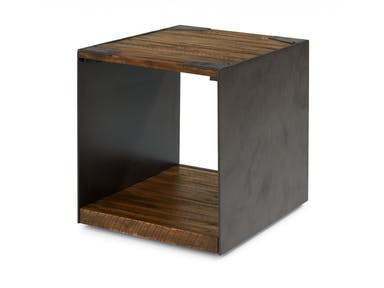
Flexsteel Living Room End Table W1404-01
Resurrecting Old Factories
With very few to zero walls, blocking natural lighting, these abandoned factories were viewed as the perfect structures that can be repurposed. The late ‘60s and ‘70s brought about the renewal of these spaces. The changes began in Lower Manhattan and in New England.
Initially, these structures became the home and studios for artists and their masterpieces. These people received a different kind of inspiration inside these buildings. Magazines even began to glamorize industrial chic. Recycling and renewal also became the in things to do.
Industrial Design Today
It is no surprise that weddings and other such celebrations are now being held in old industrial spaces. With huge windows allowing natural light to stream in, it is the perfect lighting for such lovely events. Even the huge, spacious walls seem like canvas to any work of art.
Industrial design is brimming with masculinity, what with the presence of brick, steel and concrete. Since this is so, they are the perfect elements to contrast the femininity of weddings.
It isn’t just the events industry that has opened its doors for the use of these industrial spaces. There are more and more homeowners who are signing up for these probable homes.
Industrial design, in a nutshell, is all about using etched glass, worn wood, rough metal and everything utilitarian. It is a traditional style that is simple and comfortable, in essence, the archenemy of slick.
So, are you ready to own or build one of these industrial structures?
Follow us on our social media


© McCreery's Home Furnishings | All Rights Reserved | Privacy Policy
