- Follow us:


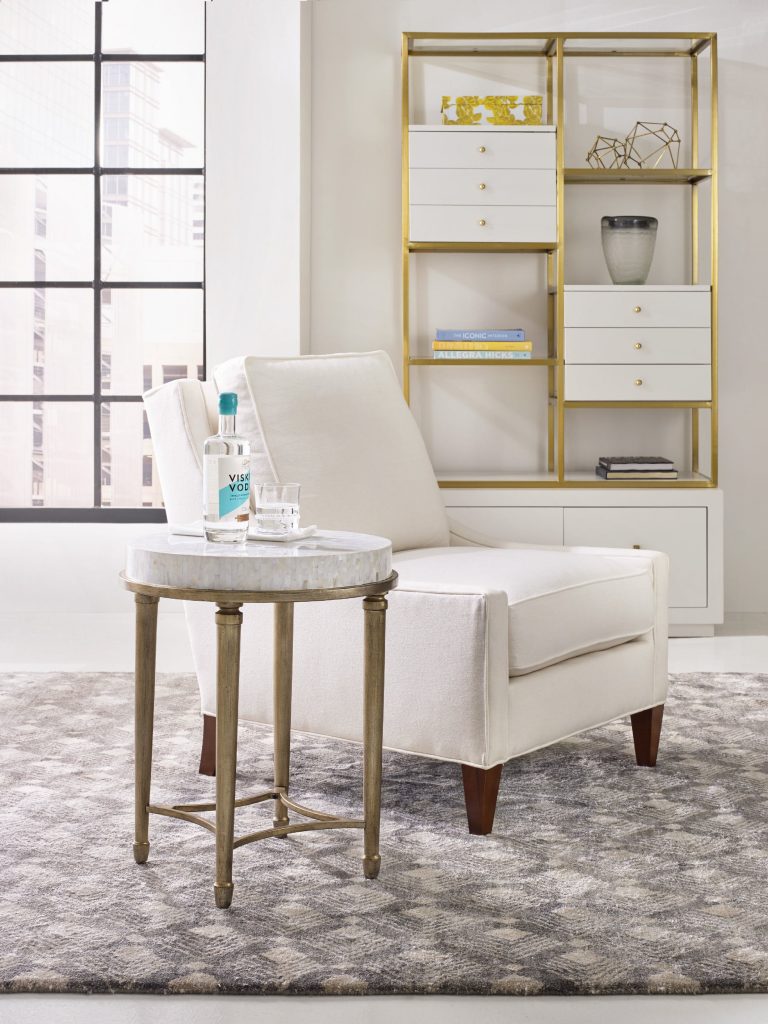
CYNTHIA ROWLEY FOR HOOKER FURNITURE DELANCEY CLUB CHAIR
Creating a cohesive habitat is sometimes as simple as picking the right textiles and learning how to combine them with patterns, colors, and the overall design movement. This can be tricky if it’s your first time and you still have no idea which design elements to fuse.
Let’s look at some awesome textile schemes –
Experiment with Patterns, Pair the Colors
Don’t be afraid to mix up various patterns while you stick to similar colors or tones for your home. Dots, stripes, and other such lively patterns could actually be used together if you’ll have them in the same color palette.
Choose Appropriate Fabrics
Learn about association and the feel of the fabric so you can pick the most suitable one for a specific room or design theme. For instance, damask on suede is considered gothic and opulent so this is great for a home that has a Gothic or Victorian theme. Plain cotton, on the other hand, is simpler and is more suitable inside a country kitchen.
Let the Textile Shine
Well, not literally – this only means that you have to allow the textiles to take center stage. Bold colors can easily become the visual feature of any room. This can work well in any dull-looking space. To optimize the beauty of your colorful textiles, be sure to have them isolated in a single area.
You may also come to a point when you think you’ve found a lovely fabric only to be left with zero ideas on how to use it. If this is the case, just think of the textile design as a probable color scheme. You can use the colors on the fabric to design your interiors. In essence, you can make textiles as your inspirational design pieces.
Learn Scaling
Whether you are about to furnish a large or a small home, you can always depend on textile patterns to balance the elements in rooms. Remember that the bigger the scale patterns, the more that they will have a shrinking effect. The smaller ones, on the other hand, will have a visually enlarging effect on your space.
Be Able to Differentiate Fabric Types
Fabrics have characteristics, too. Knowing these will help you become more successful in designing the interiors of your home.
Let’s say you’re interested in using cotton fabrics; know that cotton is best used on furniture cover, draperies, table linens and pillow covers. Cotton is breathable which is why it is a common choice. Find the stain resistant variety for rooms such as the kitchen and the dining area.
Velvet is a luxurious fabric that offers a formal appearance. There are many colors to choose from if you’re thinking of using it on your upholstered sofa or chairs. Silk is also a luxurious textile but it is more fragile than velvet. It is best used on draperies and pillows. Don’t use this fabric in a room that’s often sun-drenched.
Nylon and polyester look just like natural fibers depending on how expertly they were woven. The sheer variety is great for draperies while the thicker ones can be used to resemble leather, snake skin, suede or straw.
Acrylic is a synthetic fiber that is best known for its softness. It looks just like wool but it is resistant to sunlight and would not shrink. This is a great choice for upholstery, slipcovers, bedding and as decorative pillow cases.
‘Ever considered denim? Give it a shot – it is durable plus it offers a casual look that’s best for family rooms and children’s rooms. Activity areas will also look more interesting with this fabric more so if you fuse other colors in such as red or black.
Follow us on our social media


© McCreery's Home Furnishings | All Rights Reserved | Privacy Policy
