- Follow us:


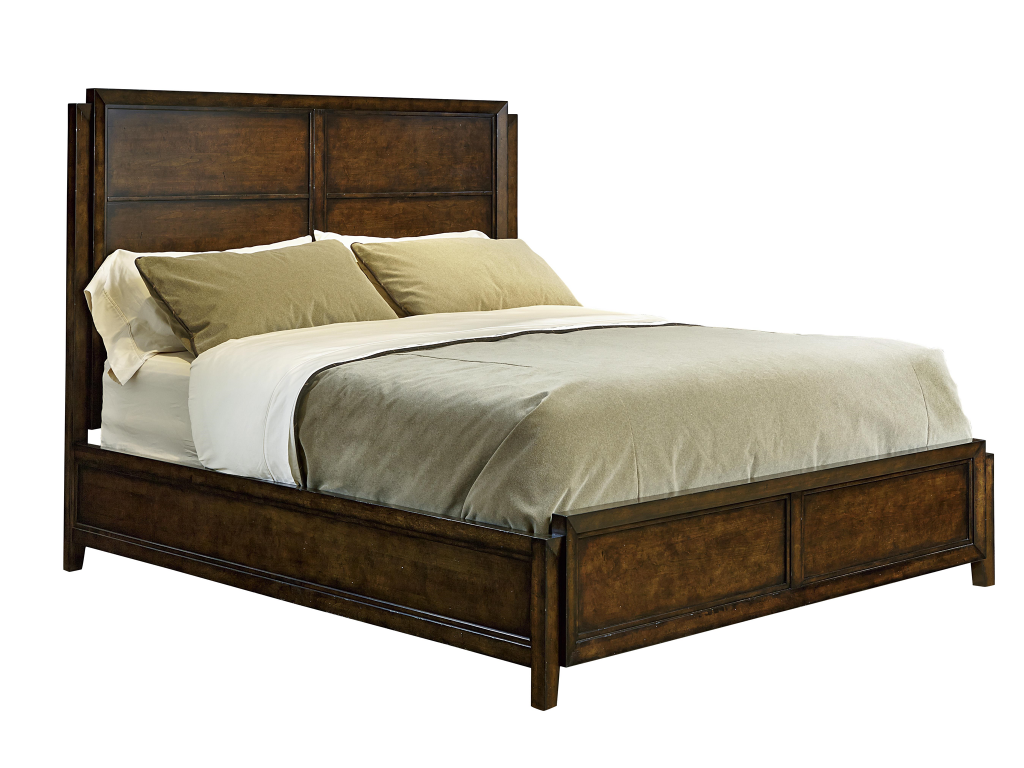
FFDM Del Mar Collection: Bradbury Queen Bed features straightforward yet delicious lines which are perfect for your transitional home.
You might have heard the definition of transitional interior design to be that balance between traditional and contemporary styles. The truth is, this isn’t always the case. You can also fuse a few pieces from other styles that you love. This is pretty much like serving Twinkies on chinaware.
You are sure to love transitional interior design if you prefer layering of accessories and elegance in every corner. To you, these are far from boring.
Layer Tones
Achieving the transitional look does not mean having your room washed up in color. What you need is to strategically give neutrals the chance to rule. Love khaki, cream, tan, taupe, even gray. Espresso brown and chocolate are also considered fundamentals.
Begin the neutral palette on your flooring. The flooring is a huge background player especially in transitional homes. Go for natural stone, woods, neutral carpeting and tiles. And remember, always practice restraint.
A muted stone tiling inside the bathroom can become more exciting if you mix in parti-colored patterns.
If you have to use patterns, make sure that they are understated. You can repeat turquoise throughout the room since this is a must-have hue for the year. Shading must be subtle especially on your rugs, walls and the upholstery.
If you have a home that has wide windows, then be sure to let in a lot of natural light. Bring in those balloon valances, ornate finials and flowing draperies. These must just add ample visual weight but not in a way that would be visually obtrusive. Use window treatments that are elegant but simple such as bamboo blinds, basic panels and Roman shades.
Unassuming Silhouettes and Accents
Transitional furnishings come with clean profiles and a design that is pretty straightforward. This is definitely not baroque since it offers only the gentlest curves and simple yet energetic lines.
Gather accessories but do so wisely. You will not need a lot just to achieve impact. Artwork must have simple frames and subjects. Your lighting must also have clean and strong lines.
One of the key rooms that you need to be worried about is the transitional kitchen. Blend traditional surfaces like stone and wood with stainless steel pieces. You should not use ornate pieces or painted tiles in this room.
Hints of Texture
You cannot rely on bright hues to liven up a transitional home. Textures can help you do this so go ahead and use textured, woven fabrics, matte and shiny finishes, also natural fibers. Layer these exciting textures and finishes to achieve a room that excites.
Think also of burlap, leather, rattan, sisal, etc. Never go overboard, though, or you would end up losing the elegance which you are also trying to achieve for this style.
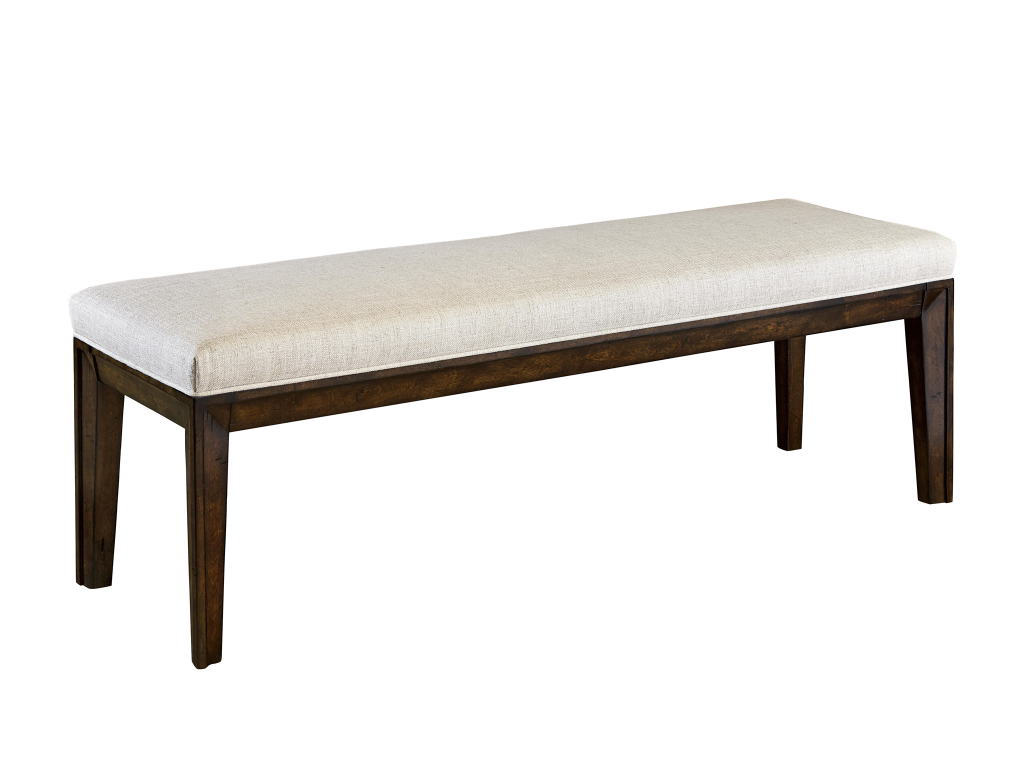
Still from the Del Mar Collection: Coronado Bed Bench
Zen Is the Word
Most important of all, you need to achieve a serene, highly restful area. Be sure to set up your furnishings in a non-brash kind of way yet it shouldn’t also be too quiet. Remember crisp lines, interesting textures, and ample patterns as well as fundamental lighting fixtures.
More on Updated Classic
The transitional style is also referred to as updated classic design. Based on the term transition, this is moving from one place to the next. In reference to interior design, though, it means meshing traditional and contemporary.
Transitional style is a hot trend these days. You can also say goodbye to the difficult design rules because this is an easy style to pull off. In a nutshell, here are your transitional design tips –
Follow us on our social media


© McCreery's Home Furnishings | All Rights Reserved | Privacy Policy
