- Follow us:


Tuesday, February 21st, 2017
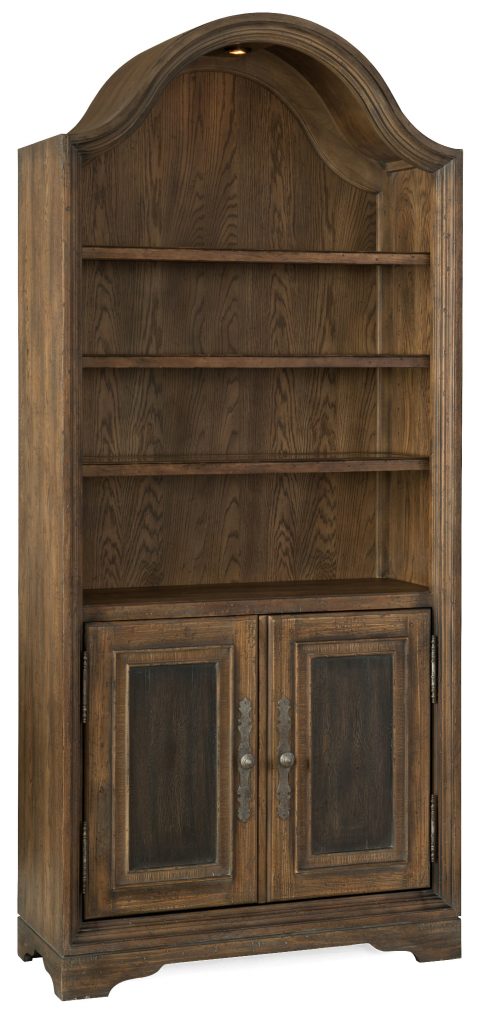
Hooker Furniture Home Office Pleasanton Bunching Bookcase
American Colonial is a popular theme that’s chosen by people who love the traditional look of the past. Yet those who want a contemporary setting need not look at this style as a setback. There are ways to achieve this look without making your home look too old.
The American Colonial Period
This style emanated from a period during the early settlers in the 16th century till the moment when the Declaration of Independence came out (18th century).
American Colonial interiors are inclusive of the earliest styles plus the shabby chic and country looks of today. It is also easy to see variations of this style according to the regions where interpretations have been made.
American Colonial home décor and architecture range from the usual rustic to the more sophisticated looks that are based on a population’s choice, the location, even the economic standing of the people who are using the said style.
The entire colonial period, after all, encompasses about 200 years so it is common to see styles that are basic and even rough-hewn.
American Colonial Interiors
During the early settlements, houses and their interiors are technically like bare bones with low ceilings, whitewashed walls and exposed, rough wood beams. The plank floors are also evident with craftsmen installing the said features.
Furniture and accessories were all handcrafted, fundamentalist and idiosyncratic. While these are so, the emphasis has always been on function.
The simple plank construction of table, benches, stools and chests were suitable in a non-frill morality that was the style then. You can attribute this to the Puritans. Most of the furniture pieces are also whitewashed or just given a natural pigmentation.
As for the windows, American Colonial homes had small panes, if there were any. Most windows were left as-is or homeowners covered them with linen fabric, cotton or wood shutters.
It is also common to see a fireplace in an American Colonial setting. This was important back in the day for heating and cooking. These days, though, fireplaces are there mostly for aesthetic purposes. No matter, it can still be a stylish source of light.
Use china or framed photographs to decorate the mantel.
Use pewter and cast iron for your cookware, tableware and utensils.
As for the American Colonial colors, you would have to imagine a moment when the settlers did not have much choice in terms of pigments. So, whitewashing was a common solution for them and was the most readily available.
Use basic primary colors such as indigo, barn red, blue and yellow. You can also use a unique shade of green by mixing yellow ochre with charcoal black. Instead of paint, you can also tint plaster and apply it on your walls.
It was also common during 1680 till 1730 to paint lamp baseboards black. This black outline was also a technique used in outlining door frame and step features.
If you’re a huge fan of sponge painting, then you can also do a little spotting. This is a decorative application on walls or ceilings using dots. Whitewash can become more interesting with black dots. Occasionally, colored water was used such as dots in dark gray.
Wealthier homes during the 18th century added wainscoting and paneling. Use a lot of woodworks in mahogany or any wood in its natural state. Other woods can be painted with a solid color or using marbled or grained effects.
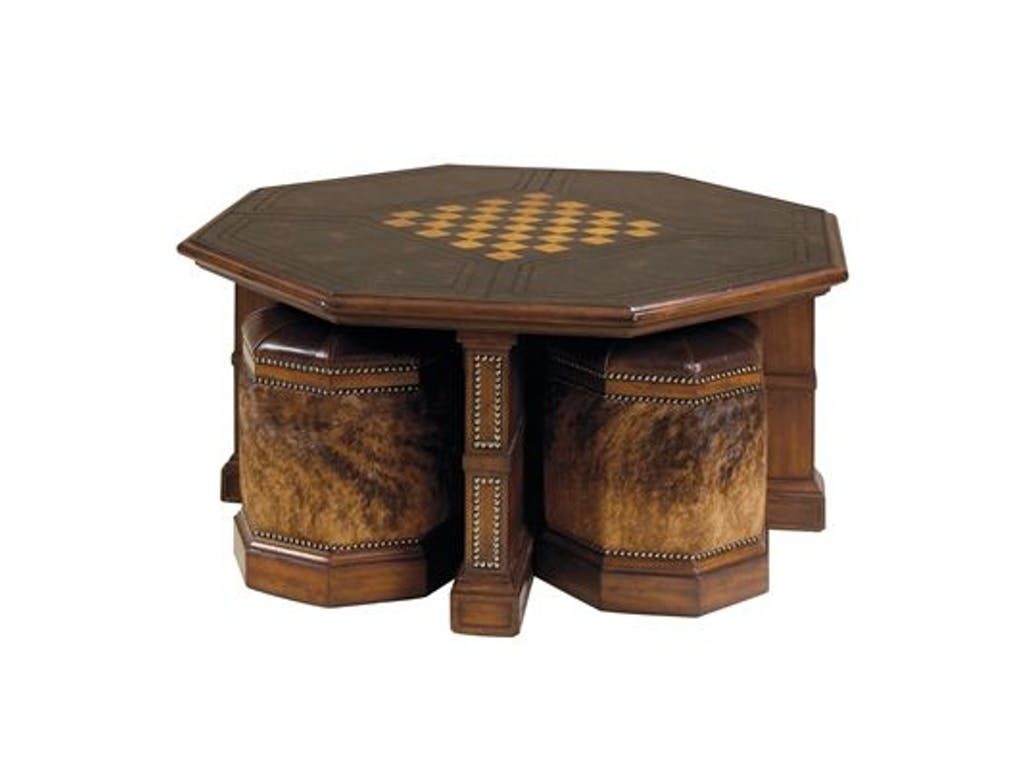
Maitland-Smith Living Room Colonial Mottled Black Leather Cocktail Table w Four Leather Stools 3320-22
American Colonial Materials and Motifs
The American Colonial period came before the American Revolution yet the former is often confused with the Early American era. This is why the bald eagle, 13-star flag and other such décor are also found in American Colonial interiors.
Posted in Interior Design 101 | Comments Off on The American Colonial Look: The Predecessor to Shabby Chic and Country Styles
Tuesday, February 21st, 2017
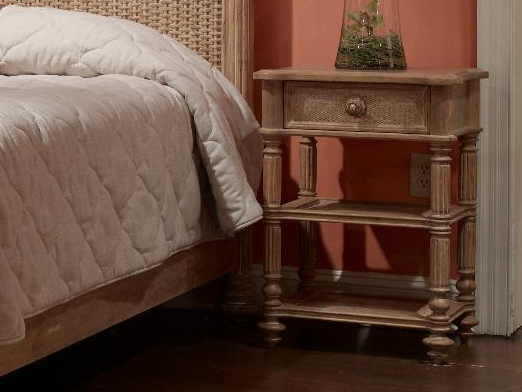
Palm Island’s Mangrove Small Nightstand is just right for your cute bedroom.
Try taking a drive arrive some new neighborhoods and you are likely to see street after street of gigantic homes. The ironic thing is that these homes are often occupied by small households. What if you want to break away from the assembly line type of housing? What would it take to correctly design a small home?
Some crucial decorating decisions will help make a small home remain functional yet stylish. From the outdoors to indoors, a home can be filled with energy and personality – you just have to know how to achieve both.
Colorful Accents, Here and There
Colorful accents can add life to any neutral surroundings. For instance, a vintage-looking coffee table plus a room-size area rug are the perfect combo to your small living room.
Fundamentalism
White upholstery is the assurance that your living room chairs will always be in style. Be sure to outfit a neutral living room with the most colorful accent pillows, throws, as well as window treatments.
Storage and Display
Be sure to invest in cabinets which double as a display and storage unit. Your amazing collection of books can go to a bottom shelf while photographs and paintings can be added to add some color to any neutral ensemble.
Place a tray on the corner table and this can easily function as a side bar where you can entertain a few guests.
Sophisticated Dining
The dining room – though small – can still appear chic with the right colorful accents. Use metallic accents elsewhere to add an instant glam and to offer an amusing surprise when guests sit all around the table.
Table runners in blue and white can easily spruce up a small dining area. Use white slipcovers on the dining chair duo to create a cozy area of relaxation. If you can’t find a table runner that describes who you are, then have a beach towel or even a throw blanket be the charming alternative.
A basic update such as this can make any small place come alive.
Home Office Nook
Who says you can’t have a home office in a small habitat? Don’t let any extra space – no matter how small – go unused. A nook between two cabinets, for instance, can easily be transformed to a home office. Just place a small desk and a chair and you’re good to go.
Add Kitchen Storage
The usual kitchen cupboards are there to be the appealing yet functional storage units. These organized shelves can become the element that divides the kitchen from the cozy dining area. Adding a small divider turns the kitchen to an airy yet appealing space.
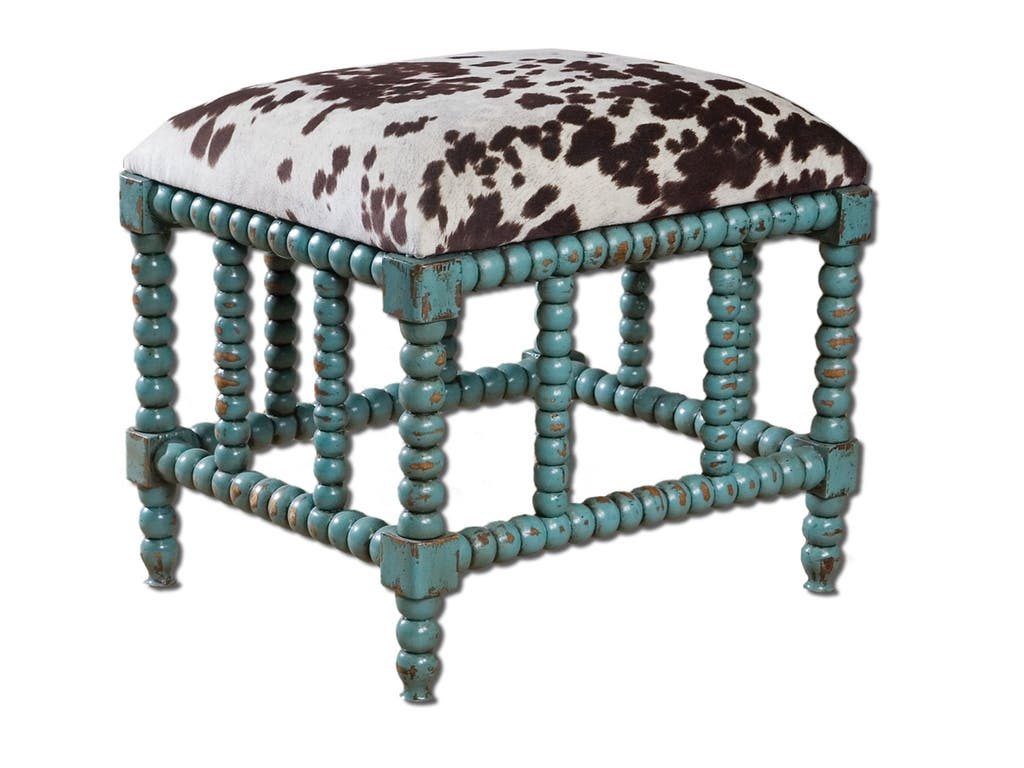
Uttermost Living Room Chahna Small Bench 23605
Everything Is Light
Making a space appear larger means you have to veer away from dark hues. You can have a focal wall in gray but make sure that you use a punch of color to offset the dark color. Then make sure that the rest of the space remains crisp, open and light.
Bathroom Storage
Use narrow shelves to store your bathroom essentials, in doing so, though, you make sure that they are stored in a stylish manner. Invest also in canisters that will hold cotton balls, cotton swabs and your lotions. Keep toiletries under a lovely vanity so that there would be no unsightly items in your small bathroom.
What about those wicker baskets? These can be placed as additional storage on the shelves or hidden inside cabinets.
Well-considered Window Treatments
Making a small living room appear to be more spacious is as easy as using a floor to ceiling window treatment. This may be a simple addition but it will draw the eyes up to the wall, hence, the mind will think that the room is seemingly larger.
Tags: decorating a small home, designing a small home, McCreerys, McCreerys Home Furnishings, small home, small home design, small house
Posted in Apartment Living, Interior Design 101, Interior Design Elements | Comments Off on When You Have a Cubicle for a Home
Monday, February 20th, 2017
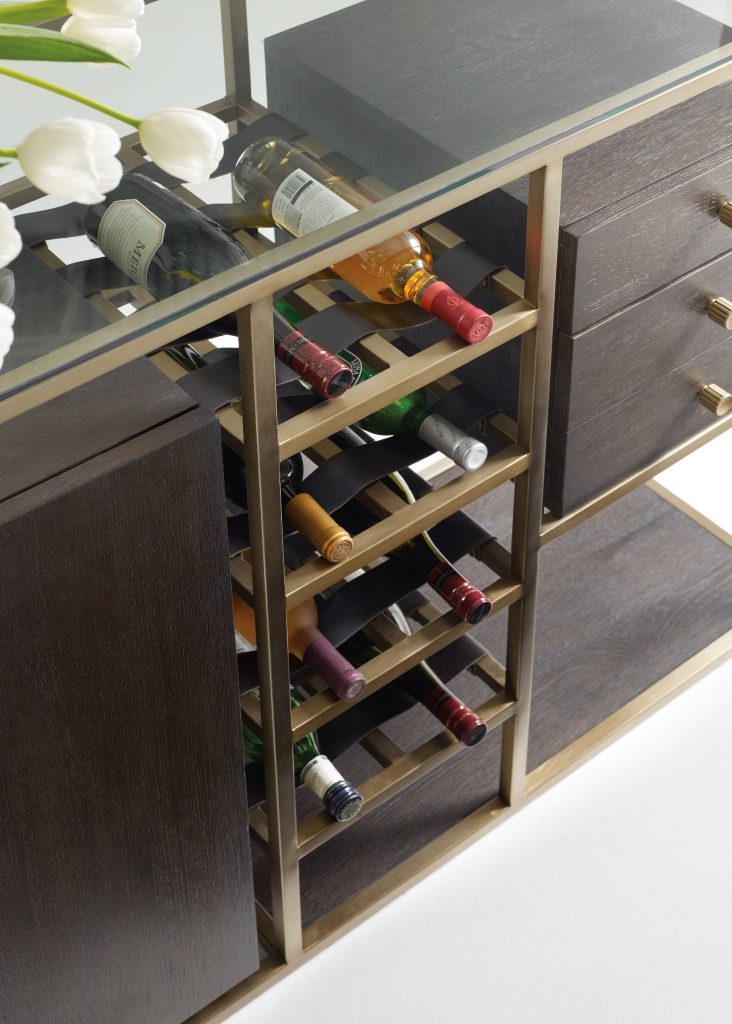
The Hooker Furniture Dining Room Curata Wine Server is the marriage of brass and wood which is no less than the perfect pairing for ultimate sophistication.
Brass is an interior design element that has interested a lot of designers and homeowners over the years. It is an alloy that is made of zinc and copper in varying percentage. Modern brass is about 67% copper and just 33% zinc. Lead is also added commonly at about 2%. This addition improves brass’ machinability.
So what are the general uses of brass?
Brass can be used in the creation of some musical instruments, radiators, firearms cartridge casings, pipes, tubes, architectural trimming, screws and many decorative items.
Brass Properties
Brass comes with a bright, almost gold-like appearance. At times, it can appear as reddish-gold or it can also be silvery-white. If you love the look of rosy tones, then you have to look for brass that has a higher concentration of copper. Add more zinc and what is achieved is a more silvery item.
Brass is also highly malleable. This also exhibits a low amount of friction and melting point.
Brass can easily resist corrosion from salt water. It is very easy to cast, is not ferromagnetic and it is also easy to recycle because it’s not difficult to separate from other types of metals.
Brass vs. Bronze
Brass and bronze – to the untrained eye – can be quite similar. If brass is mainly copper and zinc, bronze is usually an alloy of copper and tin. Sometimes, the latter comes with other elements like phosphorus, manganese, aluminum and silicon.
Brass is also corrosion resistant just like bronze though the latter has a slightly higher melting point compared to the former.
Bronze is often used on sculptures, mirrors, ship fittings, springs and electrical connectors. Brass is used in plumbing, décor, musical instruments, locks, fittings and tools.

Maitland-Smith Accessories Woman On Verdigris Patina Brass Base 1060-051
Brass in Interior Design
Metals such as copper and brass – during the yesteryears – were used in the creation of many household items. These were strong items which lasted more than one lifetime. With the advent of technology, though, people began avoiding metals and started to use synthetic materials such as vinyl and plastics instead.
Plastic and vinyl may be a lot easier to mold but rich metals offer a look that’s difficult to match. Here are some ways that brass can be incorporated in your home –
Candle stand. You can have the look of an antique candle stand in your home. Use these candle stands on your mantel or on the dining table.
Bedframe. This is reminiscent of the 19th century. Brass bedframes can easily transform the look as well as the mood of any bedroom. It can be nostalgic or romantic, it can also be ultra-modern depending on your mood.
Mirror frame. Interior designers have often used brass mirror frames to signify a more traditional setting. Mirrors are known to make a space look bigger and the addition of brass as a frame makes this decorative item a lot more worthy to look at.
Curtain rod. This is a subtle way to add brass to your interior design. It can introduce an antique look at a safe distance.
Coffee table. This may be an uncommon use for brass but, when done properly, it is the perfect base for coffee table. The most common top for brass bases is transparent glass so the beauty of the metal is not hidden under any opaque material.
Lighting. Brass is also quite popular in the entire lighting industry. It is being used on desk lamps, bedside lamps, and pendant lighting.
The lamp base also becomes more chic with brass.
Cutlery. What could be more sophisticated than serving your guests with shiny brass cutlery? Add folded napkins, some candelabra, and chic china to complete the classy ensemble.
Tags: brass, brass elements, McCreerys, McCreerys Home Furnishings
Posted in Accents, Interior Design 101, Interior Design Themes | Comments Off on Brass History, Properties and Its Role in Interior Design
Monday, February 20th, 2017
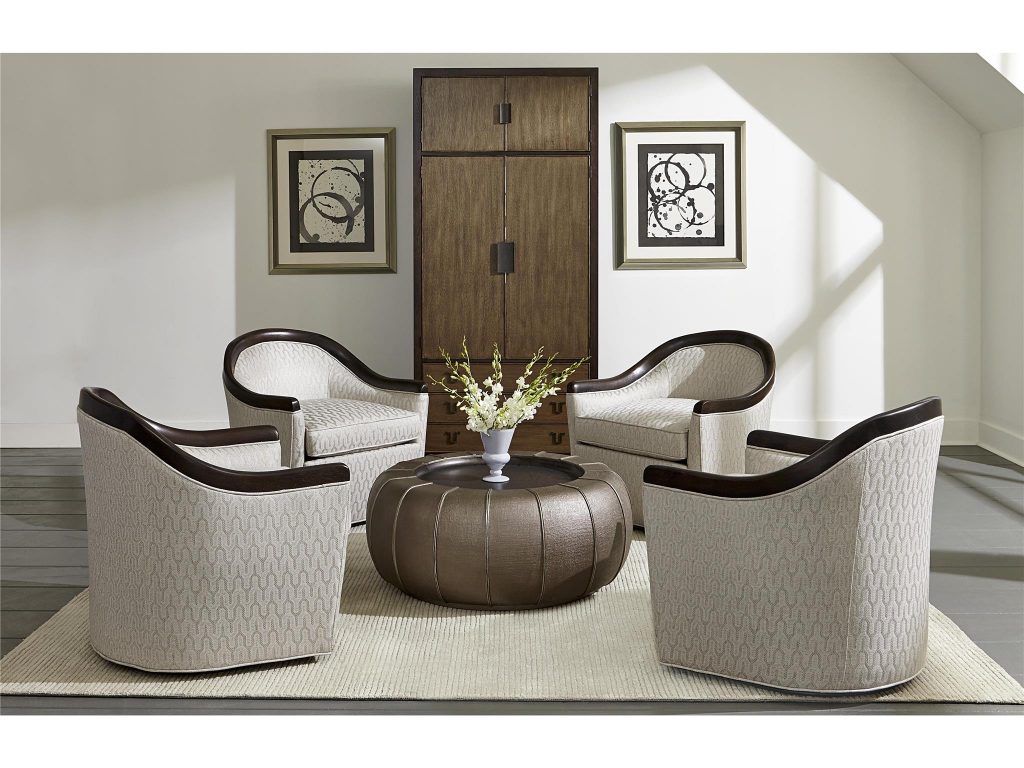
The Winslow Cocktail Table from the Cachet Collection of FFDM spells contemporary to a T.
Have you ever been confused about modern and contemporary furniture? Or are they the same to you? Let us clarify – once and for all – what these two interior designs and furniture styles really are. And to answer your confusion (if you ever were), they are not the same.
Modern design always refers to a period of time specifically in the 1920s till the 1950s. This is already a defined style while contemporary design is ever-changing. Contemporary means the style at the moment.
Modern vs. Contemporary Architecture
Architecture under this theme is anything that is currently being created. It is dynamic and without identity. It can be shabby chic at one point then it becomes Gothic at another. It is for this reason why this style is never tied to just one look.
Modern architecture, on the other hand, is a static style that has broken from the pre-Industrial Revolution designs. This is inevitably connected to the machine age and is generally categorized as anything that comes from the 20th century.
Modern architecture uses glass windows where the walls used to be. Corner windows can be glass. White stucco and whitewash are also big in modern style homes.
‘See any distinct right angles as well as flat roofs? They are there for a reason as these are inherent elements in modern design.
Contemporary architecture is often identified with solid walls as opposed to the whitewashed walls of the modern settings. Contemporary architecture – at the moment – has a boxy feel.
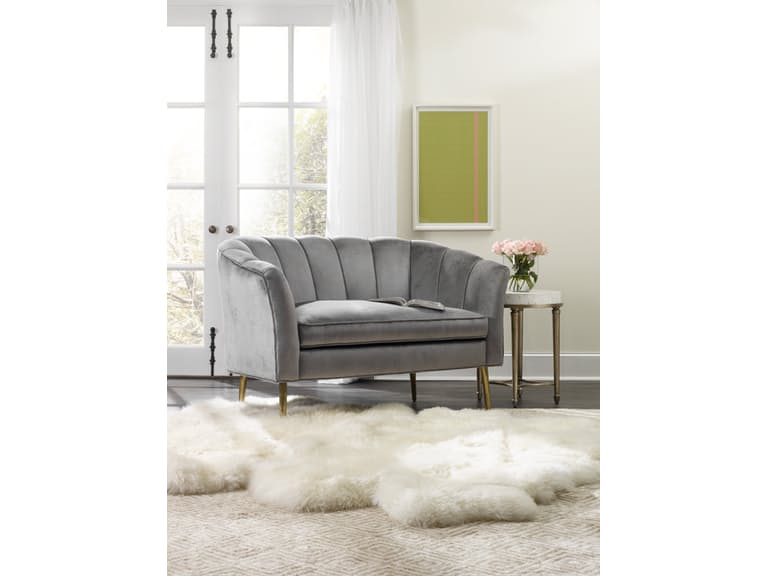
Cynthia Rowly for Hooker Furniture Gigi Settee is modern with its raised features and the wool rug paired to complete the look.
Modern vs. Contemporary Interiors
Modern, simply put, is anything that is Mid-century modern. You can recognize this look any day because of its clean and uncluttered interiors. Here, you are free to use leather, wood such as teak, and linen.
Plastic and molded plywood are also quite popular in modern settings. It is also common to see polished metal.
Modern furnishings are also raised from the floor. This means you should say no to sofa skirts and other ornate styles. Be simple, unadorned and unembellished and you can achieve the modern look more quickly than you think.
Furniture in modern homes are often raised from the floor. It also has an open space layout allowing for air to freely come and go. The walls are often white which add to the spacious look and feel.
Modern interiors also often have bare flooring and the only lines of demarcation are area rugs. These are made of wool and have a neutral color. The only hints of color are used in moderation.
Contemporary interior design means living and occurring. This refers to what is popular which means it can borrow a look from a certain era or it can be something fresh and new. An example is that art and furniture from the modern era are widely being used in many contemporary settings these days. Also, traditional moldings as well as millwork can also be incorporated in certain cases.
Contemporary style, at the moment, uses a lot of big windows. They also come in the oddest shapes which balance the open space layout that is common in such settings. The finishes use neutrals like stone, cedar or fir.
Finishing details come with ornate or clean lines – the choice is actually yours to make. Sustainability and comfort are also quite big in contemporary dwellings at the moment. Today, this may be referred to as West Coast contemporary but a decade or two from now, contemporary will be something else that’s entirely different.
A huge part of the confusion comes with the elements that are Mid-century modern which are being incorporated into contemporary homes.
Lastly, put emphasis on comfort if you want to have a contemporary setting. Be stylishly comfortable while adding aesthetic functionality still. Add throw pillows, artistic accessories, soft rugs and floor coverings to complete the look.
Tags: contemporary theme, contemporary vs. modern, McCreerys, McCreerys Home Furnishings, modern theme, modern vs. contemporary
Posted in Furniture, Interior Design 101, Interior Design Themes | Comments Off on Modern vs. Contemporary Furniture – Or Are They the Same?
Friday, February 17th, 2017
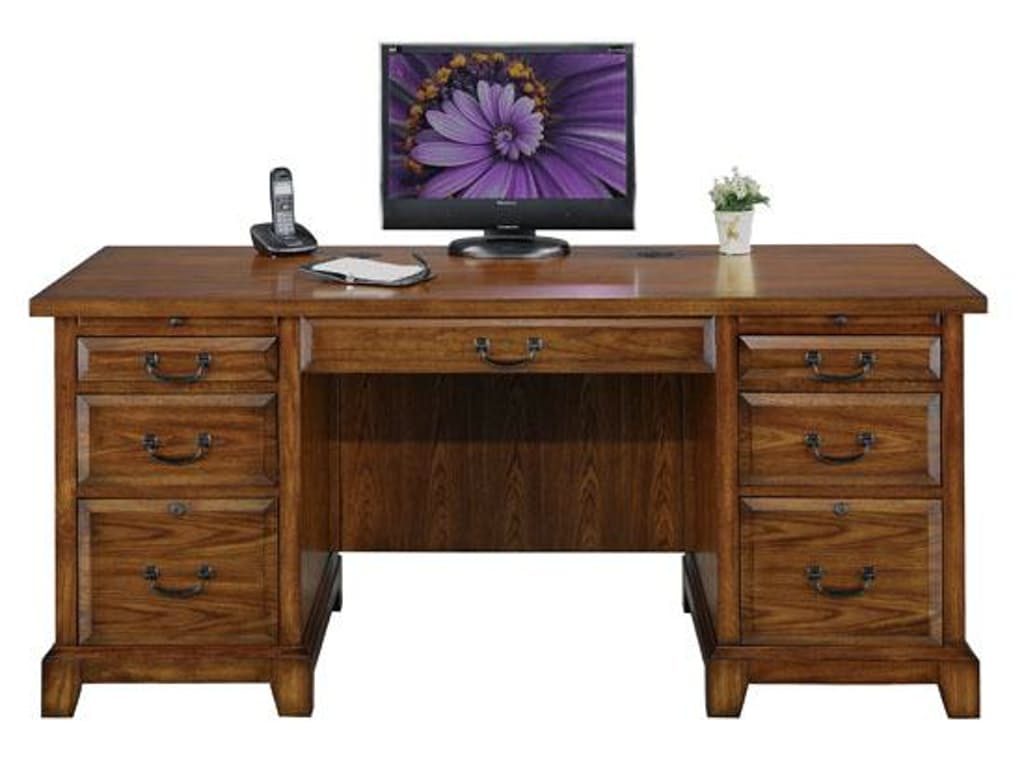
Winners Only Home Office 66 Inches Zahara Flat Top Desk GZ266F: Who says flowers can’t be presented as wallpaper?
Every 14th of February, in the U.S. and across the globe, flowers, chocolate and gifts are given to lovely ladies. All these are done in the name of Saint Valentine.
The Legend That Is St. Valentine
The history of this special day is tinged with both Roman and Christian traditions. But in order to truly understand how this day became such a hit among lovers, we have to know who St. Valentine really was.
Catholics recognize three saints in the name of Valentine or Valentinus. All three were martyred though there’s one legend where Valentine was the priest who served in Rome during the third century. Emperor Claudius II, unfortunately, sent single men off as soldiers because he believed that they are better at battle than those who have wives.
With this, Valentine started performing secret marriages for lovers. Not loving the defiance, Claudius had him put to death. There is another version wherein Valentine helped Christians in escaping from Roman prisons.
Flowers Galore
Since love is in the air, it’s time for you to give your home a little playful romantic ambience. You can express your affection through the decorative elements. The most popular, of course, are flowers and bouquets made with the most beautiful and colorful blossoms.
Pink ranunculus is an amazing Valentine’s Day gift and display. Every bloom varies in shade so even if you use just this one flower, you still achieve layering and depth because of the slightly different shades.
Pink blossoms can also be attached to branches using a hot glue. This can become an arrangement that you can use even after Valentine’s Day. Imagine all the months that it becomes a decorative piece in your living room – it’s just amazing.
Your options for floral arrangements can be displayed by the bedside, at the dining table, at the fireplace mantel, on the entryway credenza, the sofa, or the bed itself.
Lovin’ the Mantel
Surprise your loved one by dressing up the mantel. Use red pillar candles as well as candies inside decorative jars to decorate the mantel. Increase love in the air by adding a heart garland.
Bright colors can effectively make the mantel pop. Give love on V-day by painting chipboard letters. Spell L-O-V-E and paint it with red. If red is too cliché, use yellow with blue, pink and orange.
Another way to decorate the mantel is to frame a chalkboard with a love message. Have a flower arrangement right beside this plus add the bottles of wine, sweets and candles to complete the ensemble.
V-Day Wine
Give your loved one a date during this day and make sure you share a bottle of wine to celebrate your love. Wine is classy and is a great social tool.
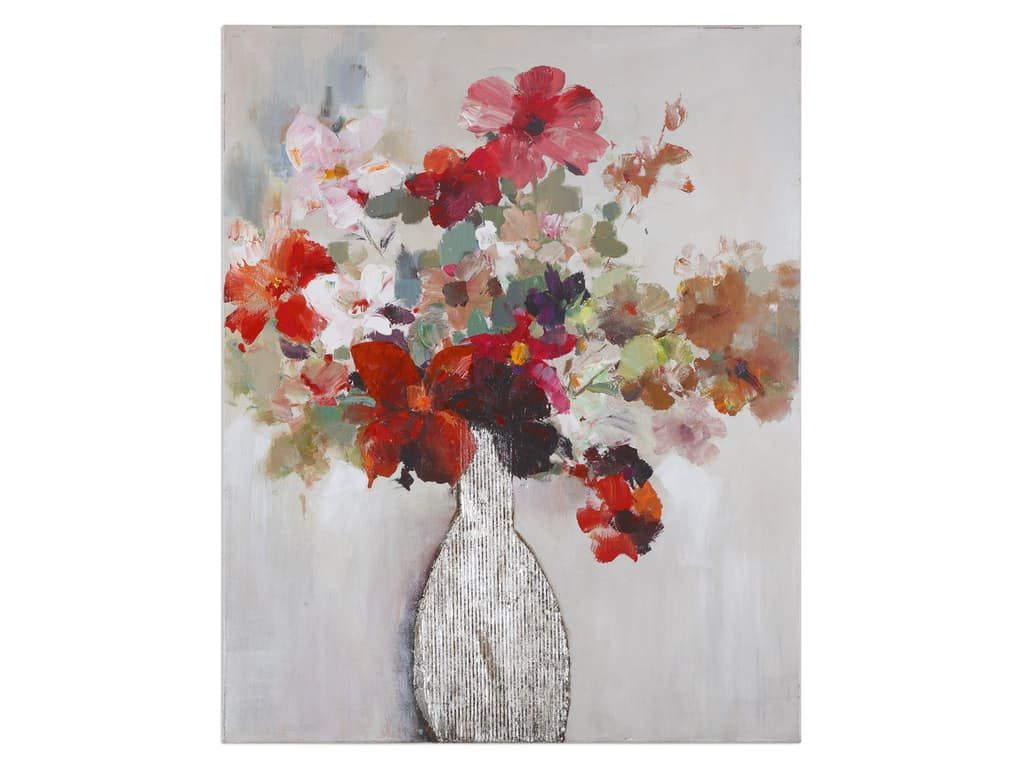
Accessories Uttermost Cut Flower Bouquet Art 36108: A bouquet of flowers as a piece of art? Why not?
Say It with Red Furnishings
What a grander way to surprise your loved one than to invest in a red desk or a red chair? How about a red wall clock? The possibilities are endless.
Valentine’s Day is also shopping day for most people. And since furniture purchases are mostly planned especially during people’s favorite holidays, this is a great day to scout for the best deals.
Be creative. Buy a lovely red piece and see her eyes light up as you present the gift to her during this special day.
Sweeties
When bright cheery flowers are not the sight that would make your V-day special, then you’re one of the few who want something unique during this special day. You can also show a sweet gesture and give something literally sweet to your loved one.
Spell out your Valentine’s Day memo in cupcake frosting. You could choose to bake red velvet cupcakes, lavender pudding cakes, and other sweet desserts.
Here’s a link to the sweetest and most scrumptious Valentine’s Day cupcakes.
Tags: McCreerys, McCreerys Home Furnishings, Valentine's Day, Valentine's Day decor, Valentine's Day decoration, Valentine's Day design
Posted in Interior Design 101, Interior Design Themes | Comments Off on 5 V-Day Decorating Tips
Friday, February 17th, 2017
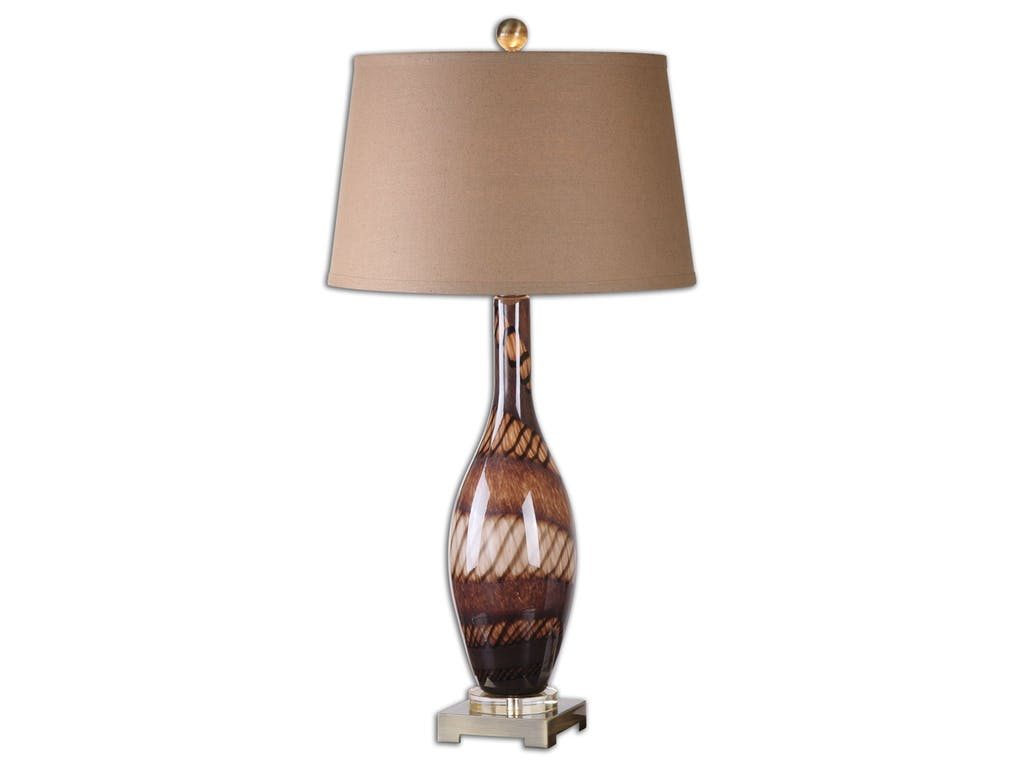
Lamps and Lighting Uttermost Domitia Brown Glass Table Lamp 26153
A lot of rooms need a fusion of lighting in order to set the proper mood and to provide illumination. Minus proper lighting, even a completely designed space will appear bland.
Lamps often have a functional and decorative role. Shape, size and style also need to be taken into account prior to buying this decorative element.
Decorating your home could boil down to finding the right statement pieces. A lamp that comes with a lovely shade, for instance, could be the last addition to make a bedroom feel cozier.
Lighting Fundamentals
Well-lit rooms come with a combination of two or more of the following – ambient or general lighting, accent lighting, task lighting and natural lighting.
General lighting offers a comfortable and safe level of light. Examples of this kind of light are pendants, sconces and chandeliers. Task lighting, on the other hand, supplies the kind of light that is intense and directed to architectural, art, or design details. Task lighting examples include work lights and desk lamps.
Accent lighting highlights the interesting features of your home. This could be in the form or recessed lighting, track lighting as well as wall sconces.
Lastly, natural lighting is one that’s provided by the sun, a firelight or candles. The amount of natural light changes as the time progresses each day. Other factors include the current season, weather and the location of the room.
If you are currently just using ambient lighting, then your home is missing out on tremendous opportunities to create vitality. Add accent or task lights in order to change your ordinary rooms to distinctive ones.

Maitland-Smith Lamps and Lighting Decorative Elephant Lamp 1743-204
Table Lamps vs. Floor Lamps
A table lamp is often made with a room already in mind. You are still free to mix and match, though. Have your taste dominate your decision. You can use a lamp to emphasize a standout art piece or you can just choose to complement the room’s design.
Table lamps come in a variety of colors, materials and sizes.
Another factor to consider is the table lamp’s function. Will it be used for completing activities, reading or as a mere nightlight? Perhaps you are just searching for the right bedside lamp for a little nighttime reading before you fall asleep. ‘Looking for a decorative piece?
Table lamps are all these things and so much more. This kind of lamp is free standing so you can choose from heavy materials such as cast iron, wood, natural stone or ceramic.
Check the lampshade itself. This completes the aesthetic appeal of your lamp as well as how much light will be emitted by the lamp.
Floor lamps are different from table lamps because of their length. These are generally displayed in entryways and those tight corners. These can also be used in the living and dining rooms.
Just like table lamps, they also have a specific function to fulfill. They are meant to illuminate more space and also to complement the room’s décor.
Floor lamps may also be used as decorative lights. They can effortlessly change the mood in a room so find a lamp that’s well-made and sturdy. This must also be one that won’t easily topple with just a slight nudge.
A lot of floor lamps come with a separate shade and base. Be sure to check that both parts complement one another. They must also complement the design of the room while providing the required illumination.
A third option is the kid’s lamp. This is the lamp that provides the night light for kids. Yes, they can make those monsters under the bed disappear. Just don’t forget to pick bulbs that will complement the kid’s room’s color palette.
For nurseries, have a dim wall sconce or a table lamp so that diaper changing or rocking the child to sleep becomes a lot more comfortable.
Tags: bedside lamp, floor lamp, floor lamps, McCreerys, McCreerys Home Furnishings, table lamp, table lamps
Posted in Accents, Accessories, Interior Design 101, Interior Design Elements, Lighting | Comments Off on Decorative Lamps: Stylish Illumination
Thursday, February 16th, 2017
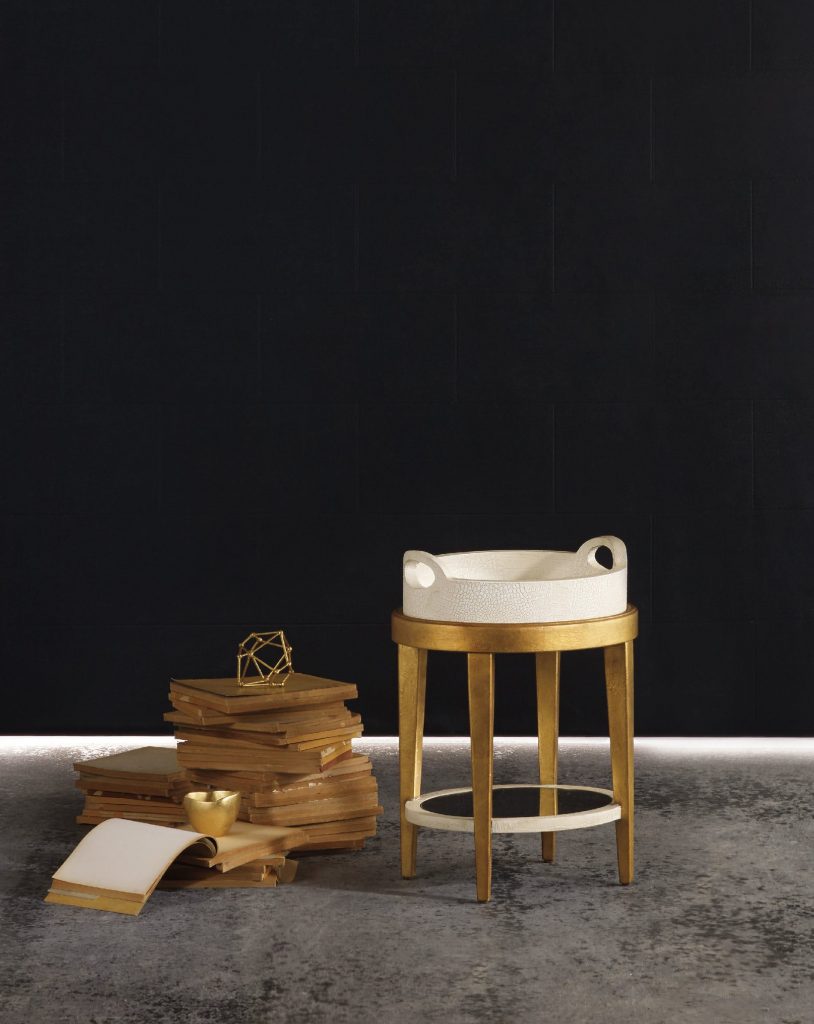
Hooker Furniture Living Room Melange Gilded Accent Table
Many homeowners like to use gold in decorating their homes. There are those who are not able to understand the great power that this hue can offer in terms of style so they end up judging and concluding that it’s too pretentious. There may quite a number of people who are afraid to use gold for this reason but this should not stop you from using gold in your interior design.
Gold Is Timeless
One of the reasons that you should give gold a chance is that it’s timeless. It is adventurous, priceless and rich. It also symbolizes power and wealth. This color has always been a privilege of royalty and celebrities.
If too much gold scares you, then you have to learn to compromise. You can us small gold accents that can still have a lasting impact in your home. This shimmering color can have a huge impact on any decorative item from large-scale furnishing, bed linen to wallpaper.
Gold Is An Instant Standout
Another reason to love gold is that you won’t require an additional piece to make a statement. This means that you don’t have to spend a lot of time achieving a glamorous effect. Just like any design element, make sure that you purchase a gold element that works with the budget that you set. For example, a genuine mirror gilded with gold will be more pleasing than any replica.
Gold Is Shiny
Since gold offers a shiny, sunny color, it can make rooms feel uplifting and warm. So use a gold-highlighted seat or gold cutlery to create a space that’s homey yet classic at the same time.
Don’t think that this look is limited to interiors, though. You can also have gold pots for your lovely garden. What about an inflatable gold dolphin for your infinity pool? Wherever you decide to put gold, you can be ascertained of a glamorous look.
Gold Can Be Minimalist
There are also stylish gold accessories in the market. These are perfect for minimalism enthusiasts. What are these stuff that you can enjoy? A hanging pendant is one such simple yet gold-trimmed item.
Do you want to have a gold DIY deluxe effect? Just spray a pot with gold paint, use gold wallpaper to highlight a plain vase or have gold studs to your upholstered furnishings. Headboards with gold studs look absolutely stunning.
Gold Means Bling-bling
You can also blitz your home by adding gold bling. Be extra careful or you’d end up overpowering the room. What you need to achieve is a strong influence for your contemporary home. Use gold highlights or…
Bathing the Room with Gold
Enveloping an entire room with gold is a much bigger commitment. With the right artistic flair, this could also keep the home from becoming too indulgent. All you want to achieve when swathing the room in gold is to draw the eyes of your guests. This color will also entice them to linger and look around your home.
A golden wall also reflects the room’s natural light. Let the sunlight go through the windows then see the walls reflect the beautiful light. These walls will also serve as the warming point where other sparse elements pale in comparison.
Gold Is Free of Distraction
Using gold as a focal point means you’re ready to be noticed. Have a gold wall behind your headboard and see how it becomes the instant star. Whether you will use gold as a focal wall treatment, artwork or furniture.
Gold Is a Balancing Feature
Gold doesn’t have to be limited to being dramatic or being the star of the show. It can also be the balancing feature. Imagine framing greeneries and artwork with a touch of gold. It’s a dreamy fusion, isn’t it?
Tags: gold accent, gold color scheme, gold palette, McCreerys, McCreerys Home Furnishings
Posted in Accents, Accessories, Color Schemes, Interior Design 101, Interior Design Elements | Comments Off on Reasons to Love Gold For Your Home
Thursday, February 16th, 2017
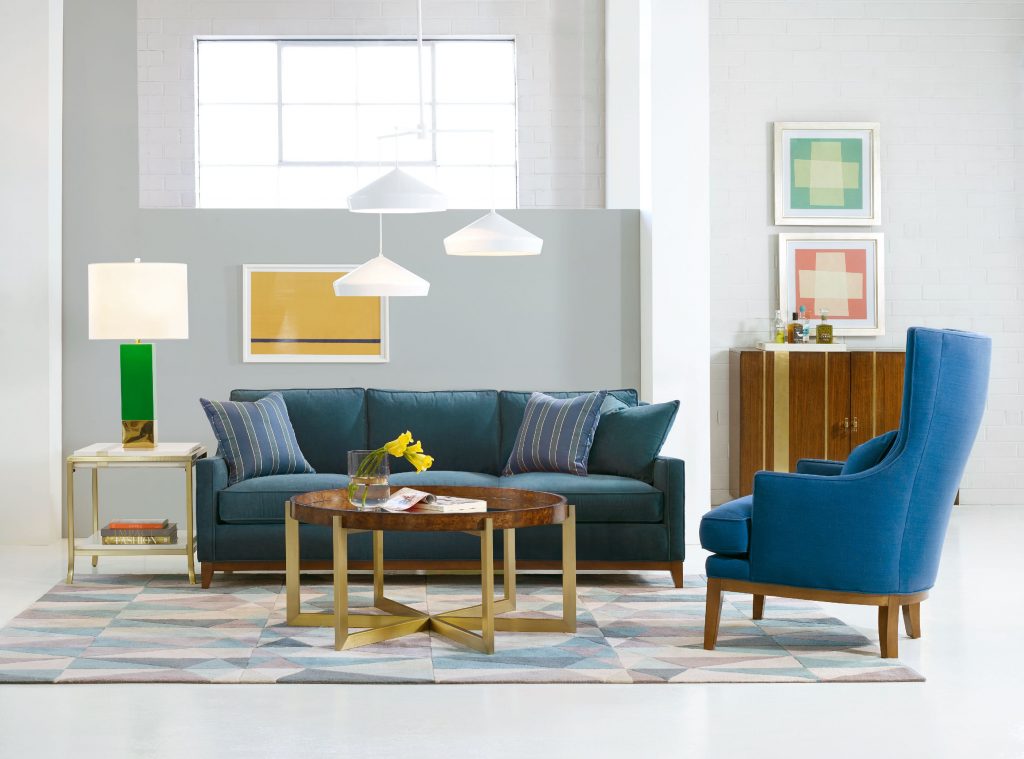
Cynthia Rowley for Hooker Furniture Hamptons 3 Over 3 Sofa
An interior designer has a huge faith in the creation of a home that fits the needs of their clients. A house is just the structure that stands and a home is something that means a lot deeper. A home is much more personal; the design briefs may change but the basics will always remain the same.
Characteristics of a Home
A home is supposed to be comfortable, friendly and homely. You could have children and pets so you might worry too much about spills and stains – don’t. A house is a place that can be tidy and clean all the time. Don’t be too bothered as a home is a place that looks and feels lived-in.
Define Your Style
Be intuitive with your design process. Get a feeling about what you need and have it executed through a style that spells your preferences. Take the time to explore, that’s fine. The best designs go without refinements or restatements in order to get the project done.
Take a Break
Get out of your interior design mindset, step out and achieve a calm mind. It pays to relax and be calm. Pretty soon, you will feel inspiration flowing through you once more.
At times, resting doesn’t necessarily mean going to the beach. It could sometimes be as simple as taking a luxurious sleep. There is nothing quite like a restful night on a holiday or a weekend. Catnaps are underrated, too.
Find Motivation
Find out who your biggest influencers are. This could be your family, work or nature. Your workspace should also reflect what motivates you – or it is the place where you also obtain motivation. Set up an inspiring space where you can translate your design ideas into drawings or blueprints.
Refine Your Work
Remember that the most amazing designs are refined. So be able to refine your chosen color. It’s not as easy as picking a color that you love and then having it painted onto the walls.
You have to consider whether the color you choose will make your home appear cozy or cold. Just like the different experiences that you have when you listen to different kinds of music, colors have the same effect, too. So be able to choose the colors that will inspire you (where you need inspiration) and will make you feel calm (when you’re in the bedroom).
Learn Interior Design Basics
Turning your house into a home means understanding a few fundamental principles. First, there’s layering. Textures can be layered just as you can layer fabrics. Think of soft draperies, rugs and furnishings.
Second, you must learn to contrast. There is a difference between small and large scale; textured and smooth; classic and contemporary. You must also learn to play with light and dark so that you can come up with beautiful contrasts in your home. Do not forget about pattern, texture and color for your opportunity to contrast your interiors.
Another principle is complement. This means you have to tie elements together. Add layers of the same treatment by having the smaller ones used in different locations.
Learn also about impact. This when you learn to create a dramatic statement such as a focal point in a room. This could be dressing up the fireplace or making artwork pop.
Lastly, don’t forget to exude your personality through your design. This is that sense of you that is represented throughout all the design elements. This could be as simple as layering objects and photographs from your various travels.
So what makes a house a home? It’s a lot of things. A house is just shelter but a home consists of your and your family, the noise that you create (or its lack thereof), and the rituals that you do there. Add the design elements that spell you and you’re no less than the best interior designer there is.
Tags: home design tips, McCreerys, McCreerys Home Furnishings
Posted in Interior Design 101 | Comments Off on Turning a House Into Your Home
Wednesday, February 15th, 2017
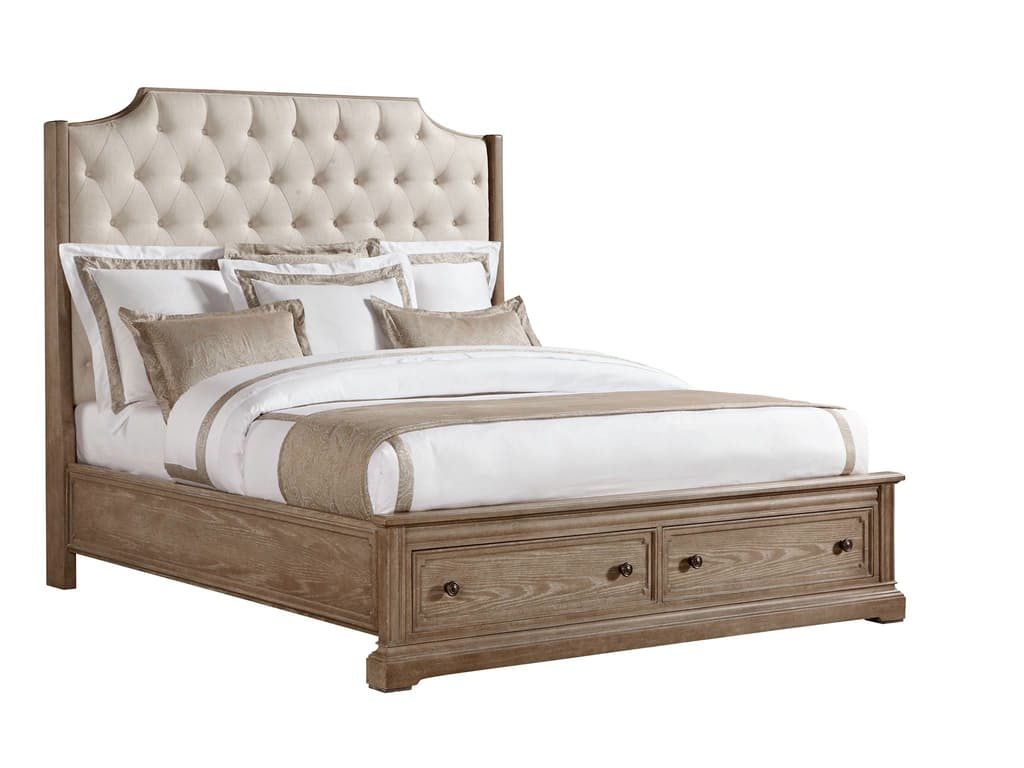
The Stanley Furniture Bedroom Upholstered Storage Bed Queen 518-13-43 offers drawers for extra clothing, socks and other accessories.
Some people have admitted to hoarding; some keep denying their obsession. Hoarding is characterized by someone having a hard time parting with possessions. Such a behavior can have a harmful effect on the physical, emotional, financial and social life of the sufferer.
Well, we’re not here to discuss about a psychological disorder, this is not the site for that. You also won’t read about symptoms leading to hoarding. Let’s just discuss how you can keep your home clean and clear from stuff that you don’t really need.
The basic guidelines include the following –
Under Two Years
The guideline to not becoming a hoarder is to let go of things that don’t have any sentimental value to you. Or, if you have not used the item for more than two years, then you know that it’s really time to let it go.
At times, these items could not mean anything at all. It might be as ordinary as empty butter containers in your cupboard. These may have been intended, originally, to become storage containers but they just ended up taking space. If this is the case, then it’s time to throw them away. Allow other people to recycle them and turn them into something more useful.
Minimalist Clothing
What about those clothes that you have kept for a long time?
Clean up your wardrobe by, first, removing all your clothes from the closet. Do you see any empty hangers? Set them aside then start sorting your stuff into three boxes – keep, donate or trash. Take a careful look at your keep box. Take a second time to sort through it again. You will observe that there is more clothing there that can be classified under the donate box.
Take out the box that’s labeled trash.
Keep Photographs and Sentiments
Of course, there are a lot of items that were given to you by your loved ones. This does not mean that you should flood your home with items that you no longer use. If these items are sentimental to you, then have them displayed. If the collection has been hidden all the while inside the cupboard, then it was time for it to go a long time ago.
Don’t fear the feeling of letting go. This is letting go of your kids’ clothes when they’re already adults. The secret to having a clutter-free home is to admit that you need to let go of some stuff. You can take photographs of these sentimental items instead and have them kept in an organized container.
Recognize Commonly Hoarded Items
It is also important to recognize the items that are commonly hoarded. These are papers (especially old newspapers), clothing, plastic bags, car parts, tools, bolts, nuts, screws, electronic equipment, and building materials.
Old furniture should also be discarded and replaced with sturdier ones.
As soon as you identify your hoarded stuff, then it’s time to declutter. Find them one by one then label every single one of them. Create homes for these items and ensure that they are always returned to their rightful places.
Horizontal surfaces must be kept clean at all times. Remember that flat surfaces can easily gather dust. Keep your paper files to a bare minimum. In your kitchen, be sure to label pantry items in order to save time in finding ingredients.
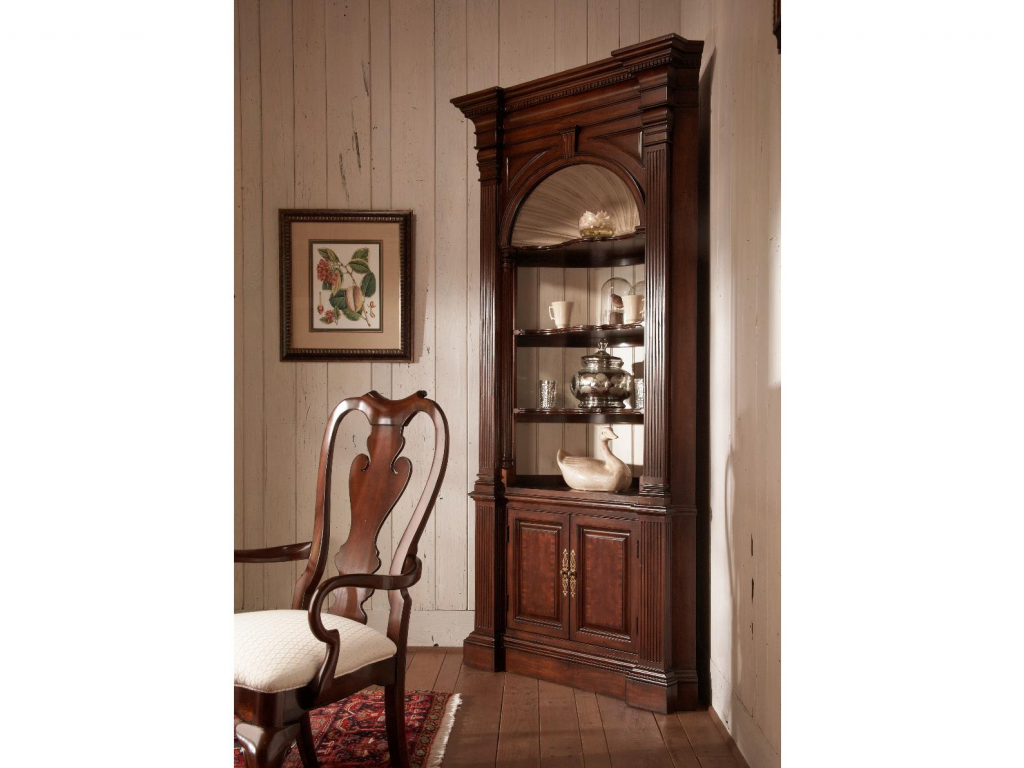
FFDM American Cherry’s Warwick Corner Cabinet Deck is great for those tight, often unused corners.
Decluttering Takes Time
Admit to yourself that you have to begin slowly. Don’t go through all your stuff in one day then have a mound of them dumped the following day. Doing so could lead to negative feelings such as anxiety and regret. Instead, go through one small space or collection at a time.
Keep yourself from saying, “I’ll put this aside for now”. Get things done and do them now. Don’t trick yourself. In place of this, you can try framing only the best item or two from your collection. You can then consign, recycle or donate the rest of the pieces.
Tags: decluttering, decluttering tips, home decluttering, home organization, McCreerys, McCreerys Home Furnishings
Posted in Home Maintenance, Interior Design 101 | Comments Off on No Space for Hoarding – 4 Decluttering Tips to Commit to Memory
Wednesday, February 15th, 2017
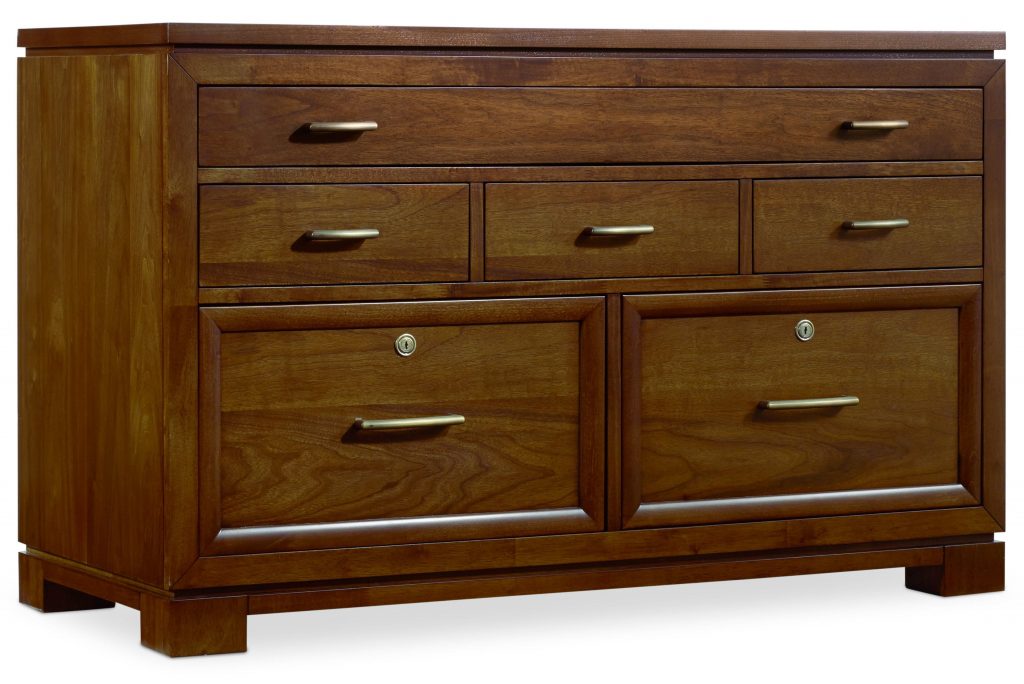
The Hooker Furniture Home Office Viewpoint Computer Credenza can be used as a craft storage unit. It is simple yet stylish – descriptive of what you and your skills are.
Have you ever experienced creating something really unique, perhaps a treasure box, cake or a dress made from scratch? Isn’t it a feeling of complete bliss? Being creative can begin from childhood when you can mold clay, finger paint and build castles with Lego blocks. This can continue till adulthood when you have ample time to remain creative or it may not. With a nine to five job to attend to, sometimes, getting creative requires a lot more energy.
Being in touch with your creative self is crucial in having a healthy spiritual and emotional health. In fact, feelings can be expressed through art therapy. This involves a sense of creation and play; woodwork, drawing, baking, gardening or whatever you like doing.
Creativity is a wonderful method of beating stress and also in getting in touch with your inner self. So if you want a little helping hand in reviving your creative skills, then here are some tips –
Know Your Skills
If you have to revive your artistic aptitude, then you have to define what this skill or talent is. As soon as you are able to identify your skill, you can learn some more and be able to develop it. Skills can be classified in the following aspects –
Communication
Self-management
Thinking skills
Resilience
Positive attitude
Thinking skills
These are employability skills but there are also artistic skills such as the creation of painting, sculpture, clothing, drawings, etc.
Be Willing to Experiment
If you have a skill, then be willing to experiment. Try different ways and techniques. Without experimentation, your skill would become stagnant and you would have zero thrill.
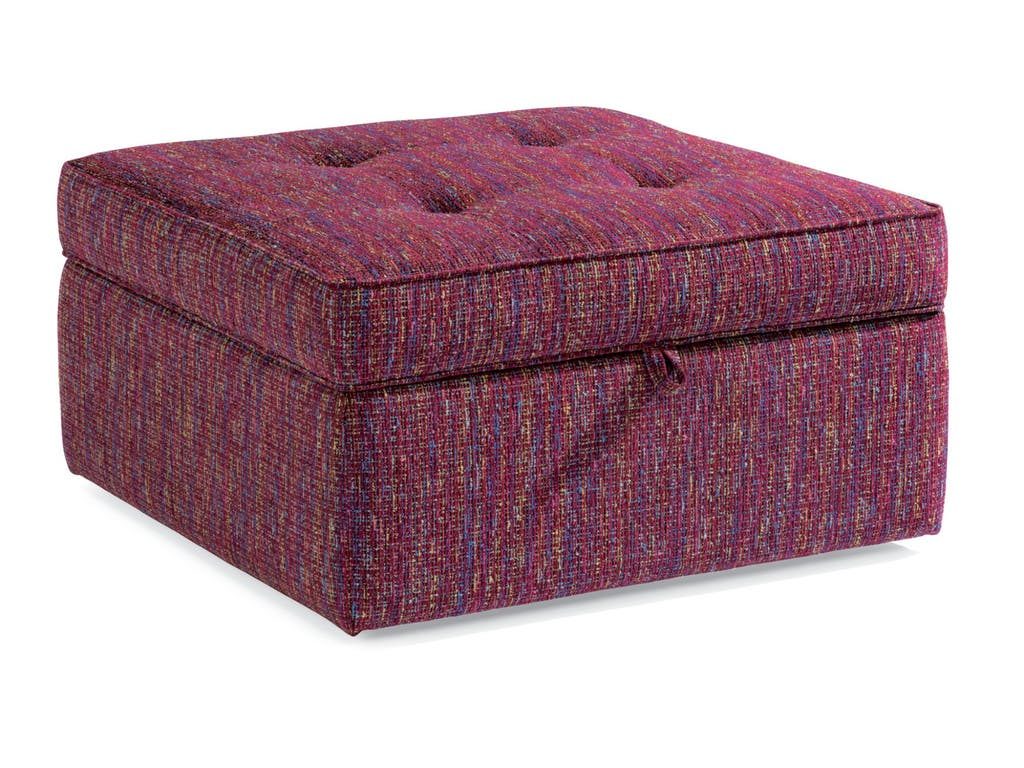
The Flexsteel Living Room Fabric Square Storage Ottoman 7408-092S can double as a storage unit in your craft room.
It’s Time to Organize
Organizing your craft room is an extremely personal activity. It can be overwhelming at times especially when you’re trying to figure out where to store your craft stash. This becomes doubly difficult when you are a hoarder or a DIY fanatic.
If you sew, you can store fabrics in plastic containers with lid. You can then stack these storage containers from the floor all the way to the ceiling.
How you organize your craft materials is also dependent on how much space you have to spare. If you have available closet space, they drape fabric over the coat hangers. When you have a blank wall, then organize the fabrics inside plastic bins according to color or type. Again, stack these up.
If you have a good number of shelving units, then consider installing doors or tacking some fabrics like curtain. This should protect your art materials from dust.
In the absence of ample storage space, then recreate your staircase into a fabric-lined area.
Whether you choose baskets, plastic tubs, or cabinets and shelves, just remember to keep your yarn or thread stash organized according to color. This will make it easier for your eyes to recognize the supplies with just one glance. This will also help you prepare much more quickly for upcoming activities.
The less time you spend hunting for materials, the more time you will have to be inspired.
Fill baskets, jars, and boxes with ample supplies that you need. Don’t forget those pushpins, paper punch, scissors and other necessary materials.
In organizing paper, make sure that you place them in magazine holders instead of the usual stacks. Organize them according to color or type. The buttons can be stored in 5-inch glass jars.
Don’t get entangled in a roomful of yarn and fabrics. Instead, find an unused room or nook and turn this into your first craft room. If this isn’t possible at the moment, use a kitchen table and turn it into a unique crafts table.
Tags: craft room design, craft room organization, designing the craft room, McCreerys, McCreerys Home Furnishings
Posted in Interior Design 101, Interior Design Elements, Special Rooms In Your Home | Comments Off on Craft Room Organization Fundamentals
Follow us on our social media


© McCreery's Home Furnishings | All Rights Reserved | Privacy Policy
