- Follow us:


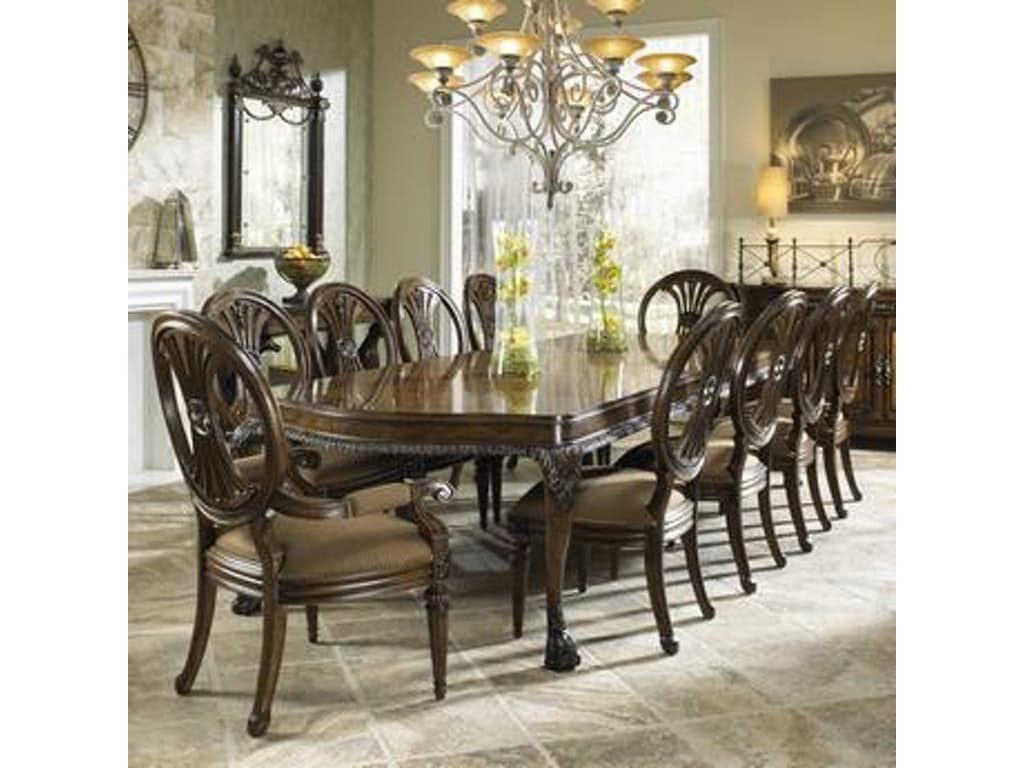
The natural stone tiles beautifully framed this beautiful ensemble from FFDM’s Belvedere Collection.
Any mountain-born materials like limestone, marble, slate, travertine, sandstone or granite is a variety of natural stone. Every single one of these has different properties to offer. If you are to choose from these materials, you need to understand the features of each. Once you recognize these, you will be able to decide which material is best for your home.
When shopping for natural stones, there are certain factors that you would need to ask your retailers about –
Rate of Absorption
This rating is in reference to the porous characteristic of the natural stone. The spongier it is, the more susceptible this material is to stains, damages and cracks especially in colder conditions.
There are four levels of absorption for natural stone tiles –
First is the non-vitreous level which is the highest absorption level. This tile is not a very good material to use in a damp environment.
The second level is the semi-vitreous stage where it is less absorbent. Of course, the more liquid these stone tiles are exposed to, you would have to exert more effort in their maintenance.
Vitreous is the standard level of absorption for natural stone flooring tiles. This material is often considered appropriate for majority of low to mid-traffic applications (whether indoors or outdoors).
The next level is impervious where materials are more resistant to liquid absorption, thus, they are a lot easier to maintain. These are usually used in commercial applications and areas where there’s higher foot traffic.
Definite Rate of Absorption
Generally, sandstone has the highest absorption rate. Slate, limestone, and travertine come with medium absorbency while granite is practically waterproof. Polished materials are also known to absorb less water when compared to cleft surfaces.
Grade
A few retailers are using a grading system in rating material quality. This could refer to the shape, size, as well as the thickness of the tile. Surface condition is also a factor that ups the grade of a material.
Most grading systems come with three quality levels. The first grade refers to the uniformity and high quality of the material. Grade 2 is the level where materials with slight defects like scratches, chips and irregular surfaces are categorized. Grade 3 tiles come with major flaws such as defects on surface, size, chipping and shape. Materials that are categorized under Grade 3 are best used as accent pieces or as a rustic decorative application.
Friction Coefficient
This gauges how slippery the materials are. A high coefficient means it can offer more traction. You must remember this number because it is crucial when you’re choosing tiles for a moist environment (e.g. bathroom or kitchen). Even high traffic commercial areas should have tiles with the highest coefficient of friction.
Indoor vs. Outdoor Rating
A few natural stone materials are more suitable to outdoor applications. Consider the factors above when picking a material for open air environment. Don’t use non-vitreous tiles as these will be subjected to acid rain, dirt and cracking.
Oxidation
Know that natural stones were formed underneath the earth for over millions of years, hence, it is common for them to contain incongruent elements. At times, even iron is present in such materials which can look bright red or amber on the surface of the stone.
Remember that the biggest problem in an outdoor environment is that iron traces tend to oxidize or rust. This could cause the tile to degenerate when not properly maintained.
As you shop for natural stone tiles for your home, be sure to do ample research so you would understand the above characteristics. Know which specific stone will be applicable to your dwelling, also, how much maintenance the material would require. Be able to ask your retailer about these factors.
Follow us on our social media


© McCreery's Home Furnishings | All Rights Reserved | Privacy Policy
